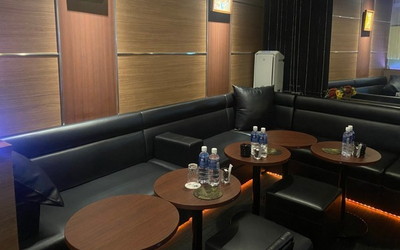
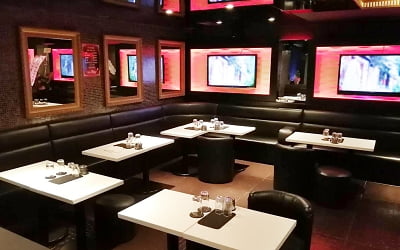
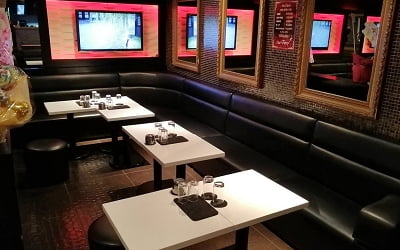
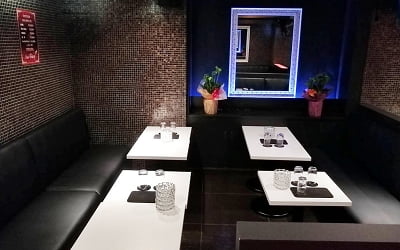
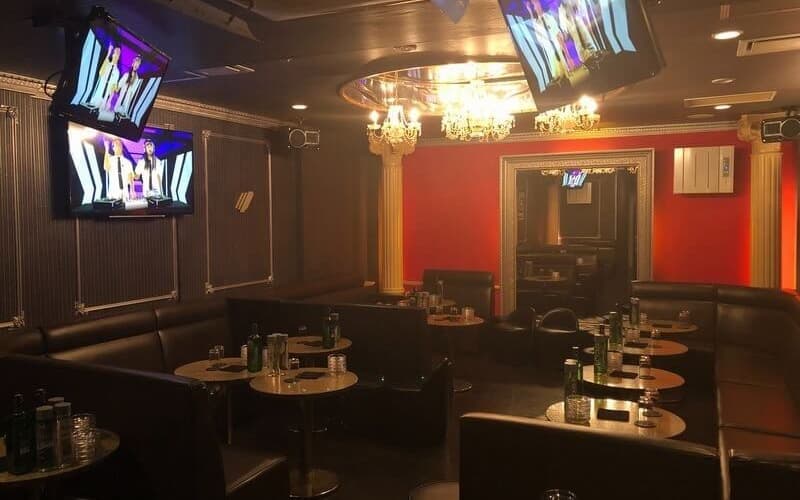
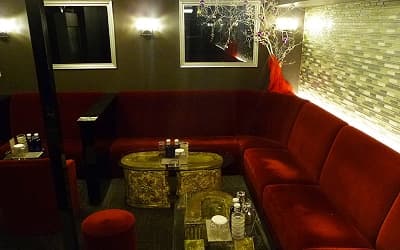
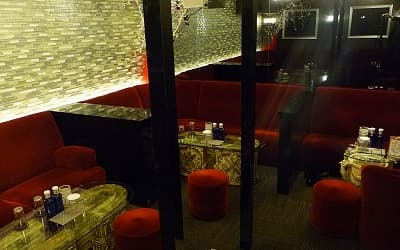
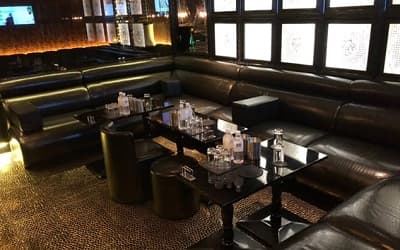
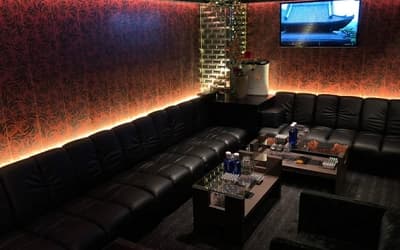
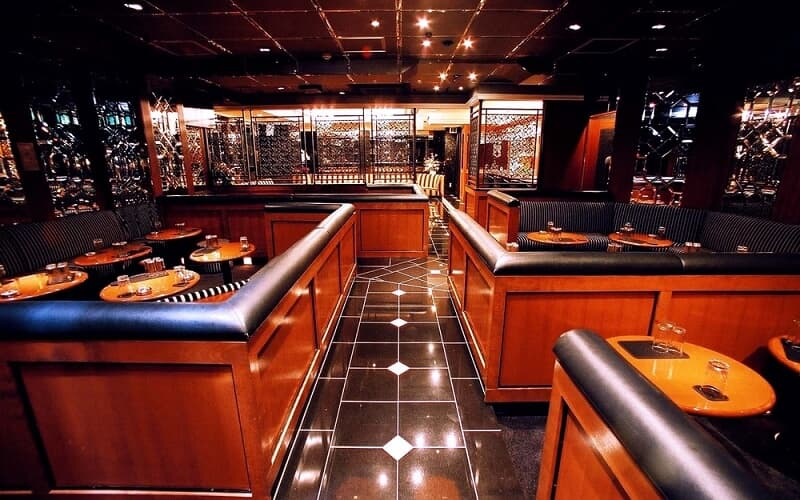
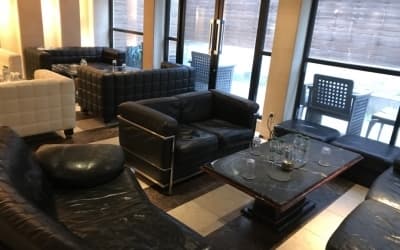
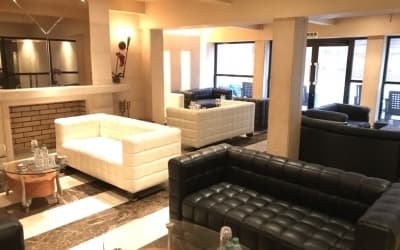
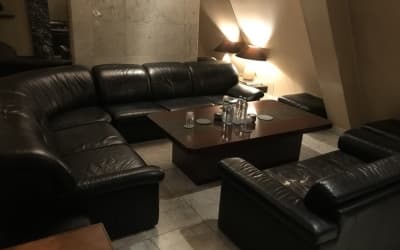
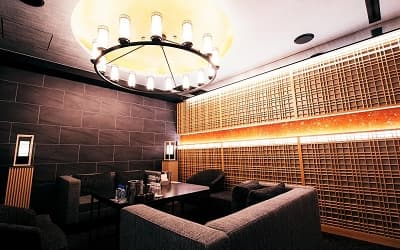
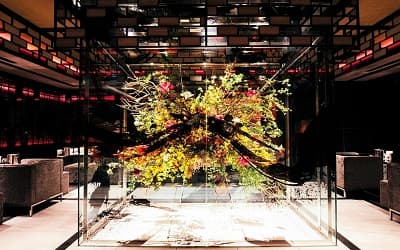
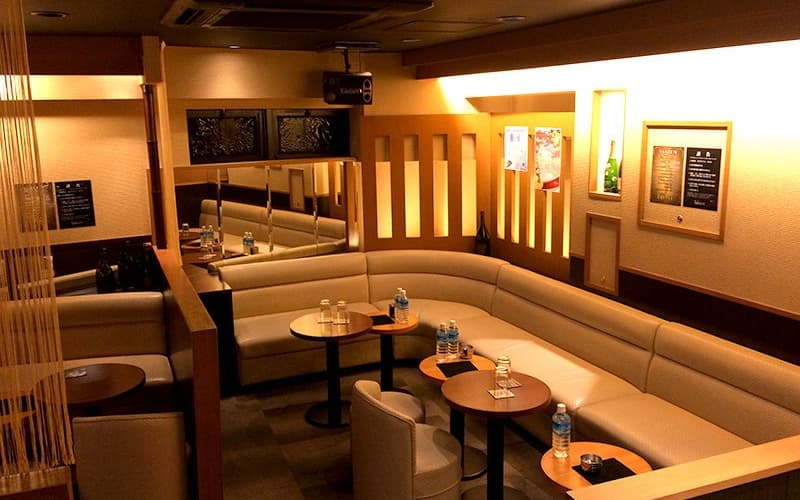
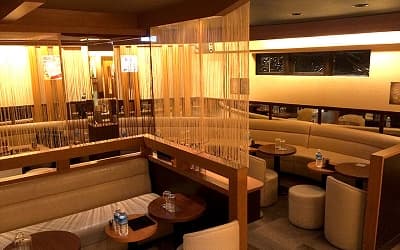
その他
延長方法 確認有り 税金・サービス 20% 指名料金 3,000円 場内指名料金 3,000円
店内Gallery アクセスマップ 公式SNS
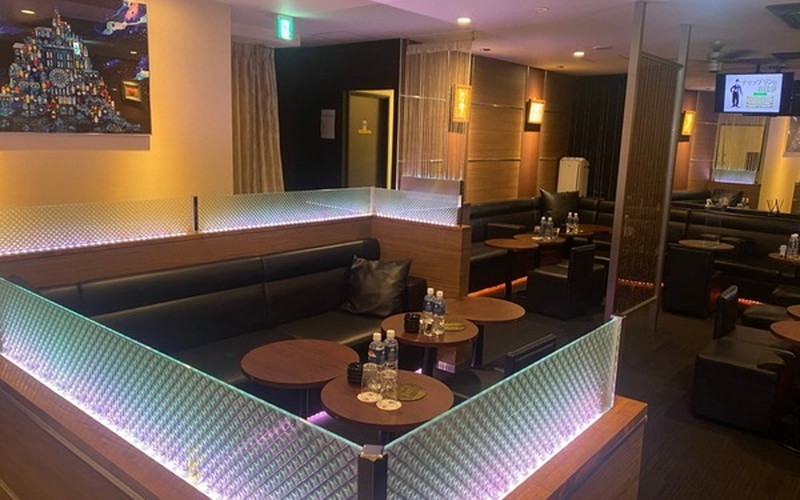
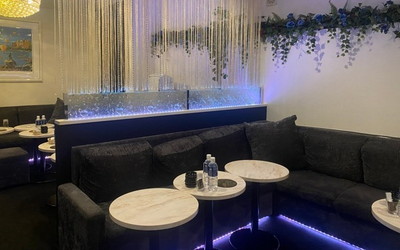
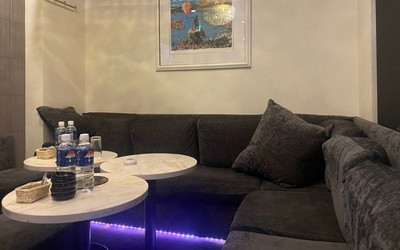
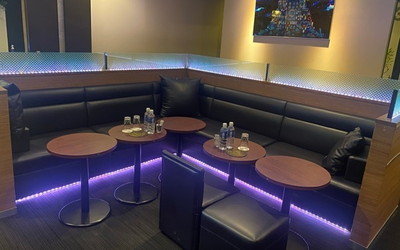
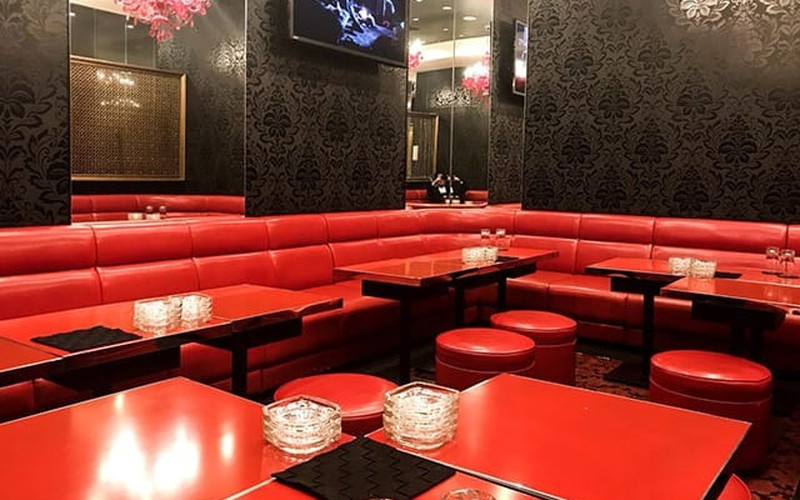
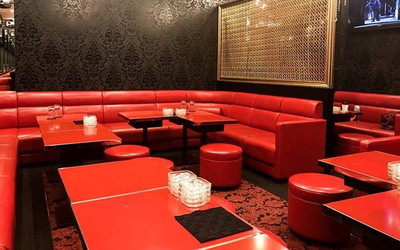
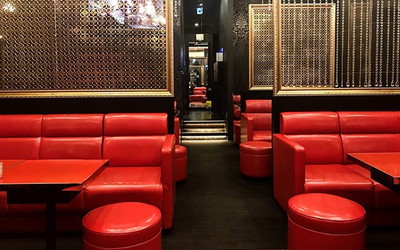
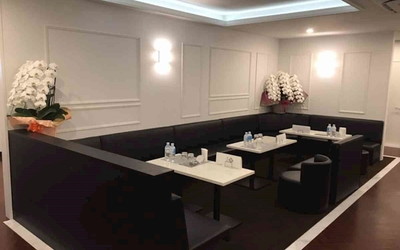
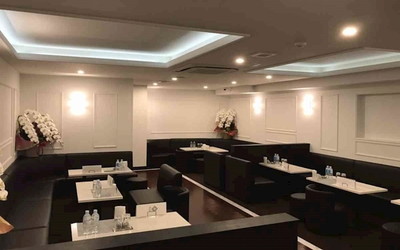
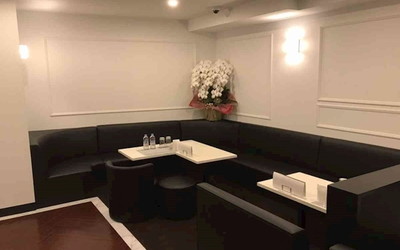
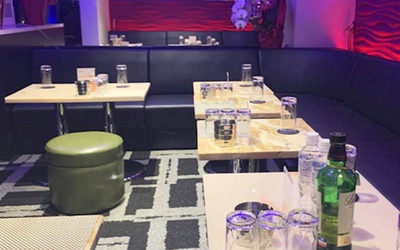
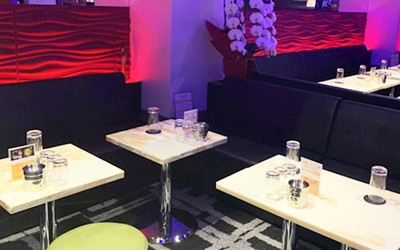
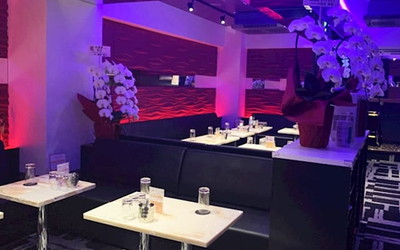
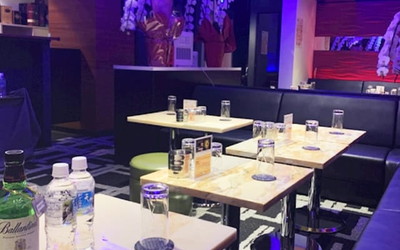
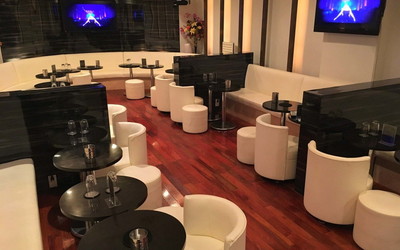
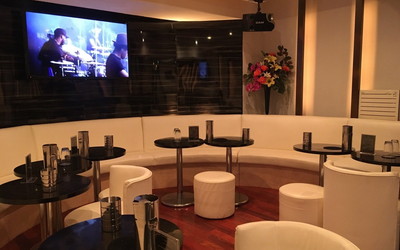
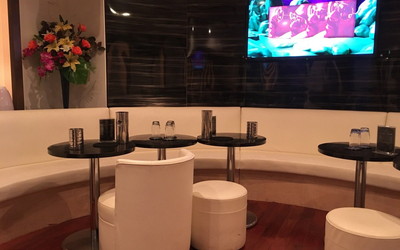
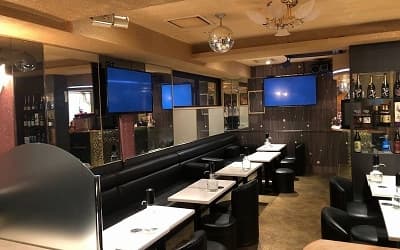
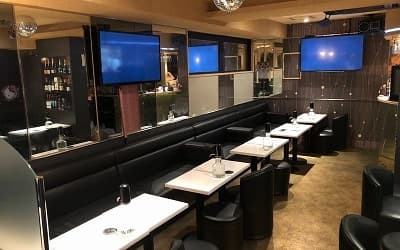
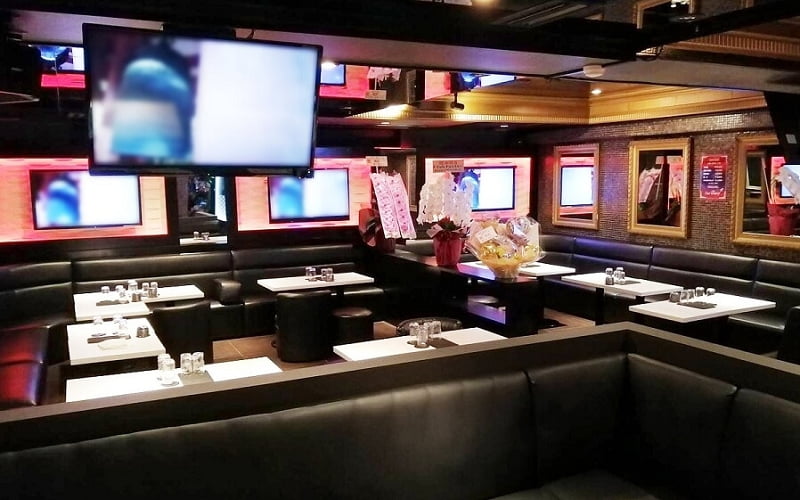
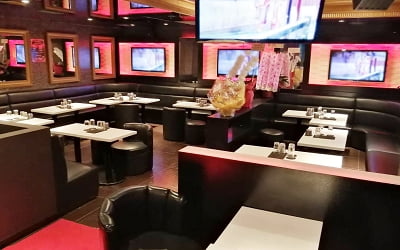
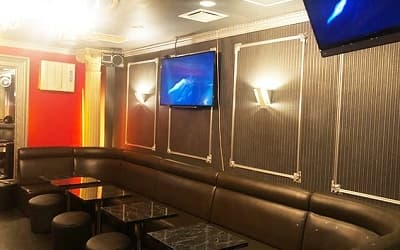
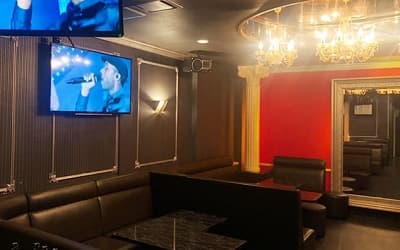
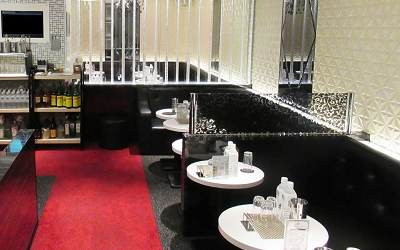
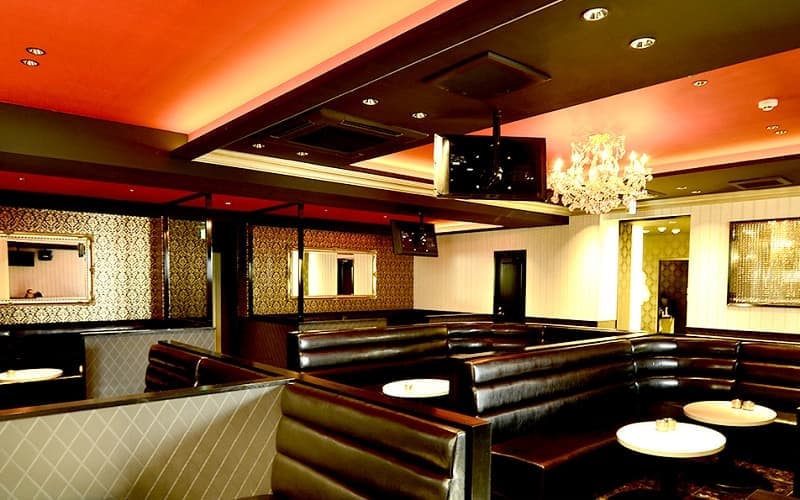
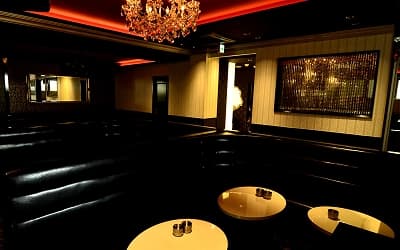
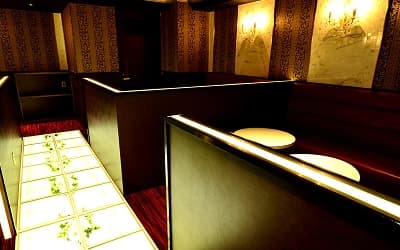
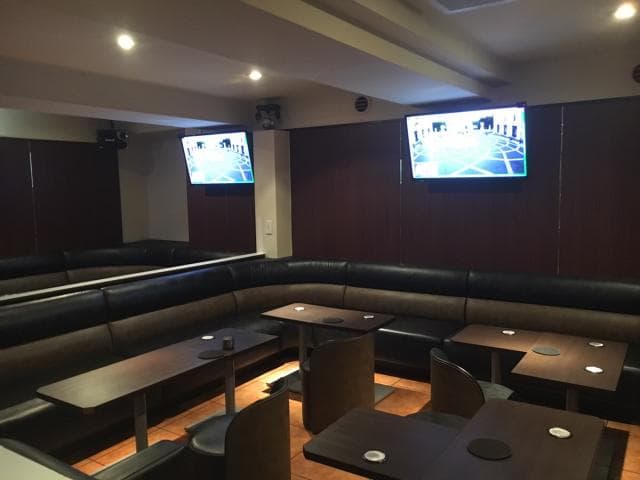
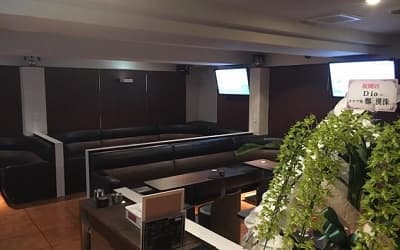
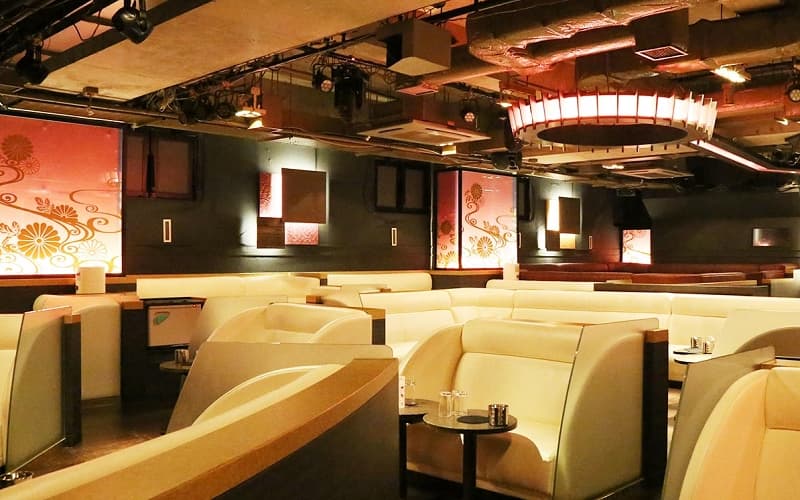
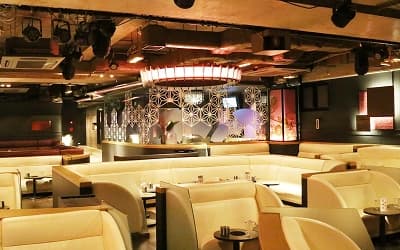
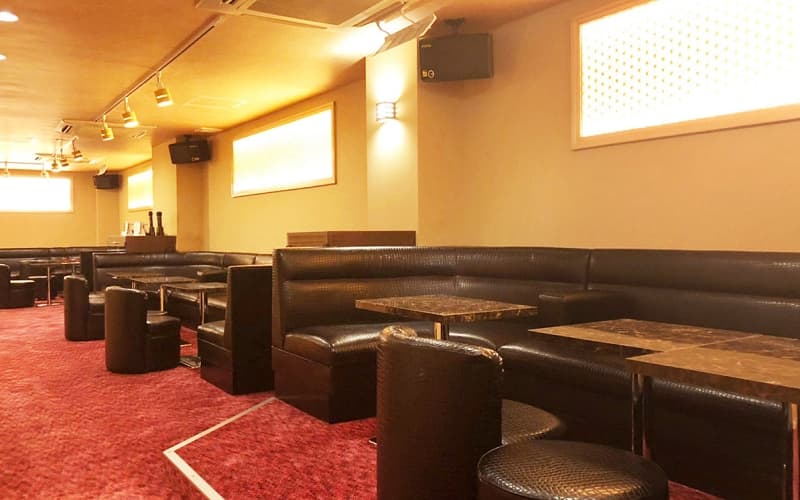
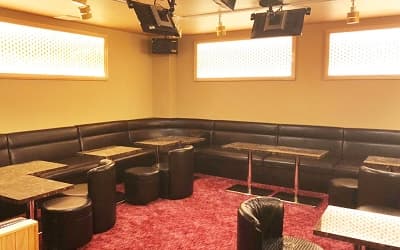
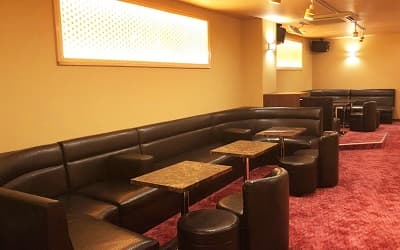
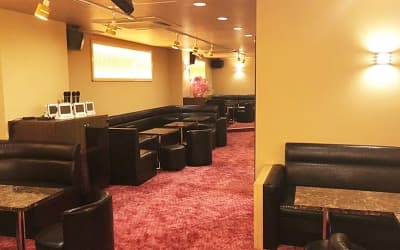
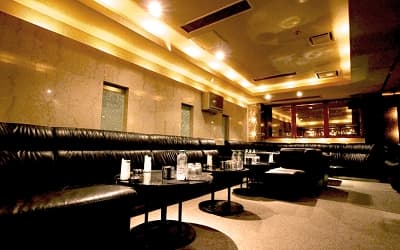
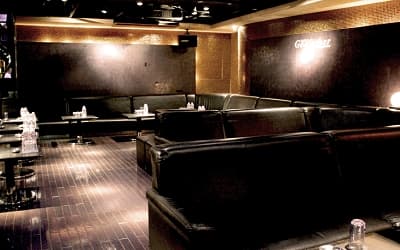
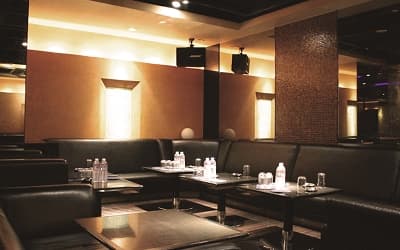
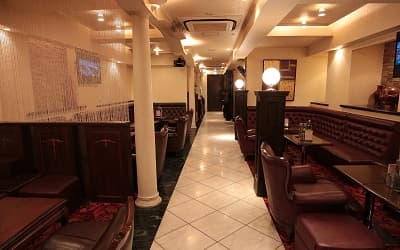
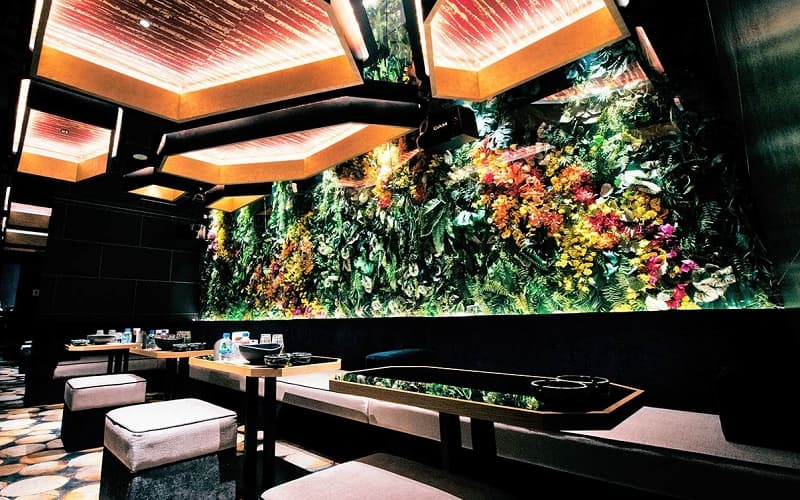
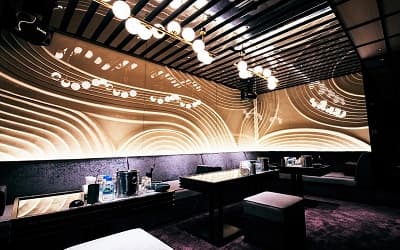
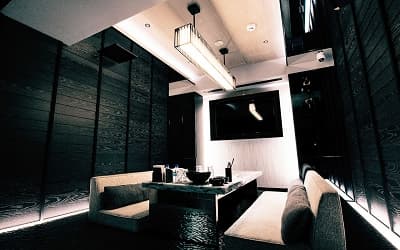
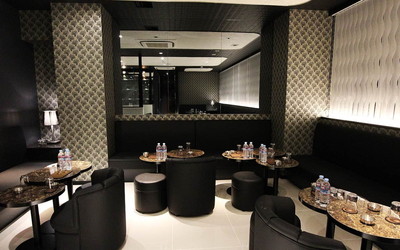
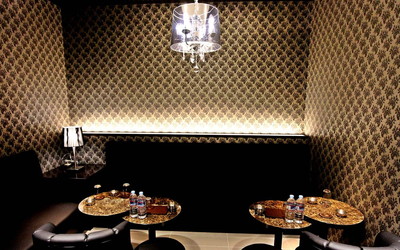
上品なオトナの女性が上質な時間を演出!(Platinum Club CREA/クレア)
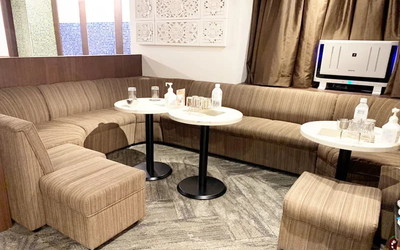
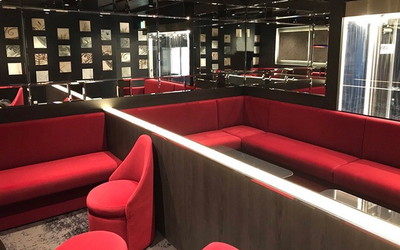
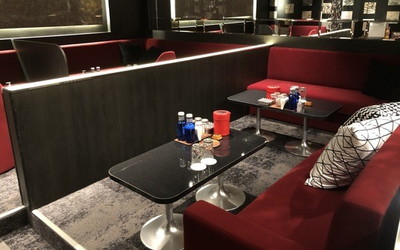
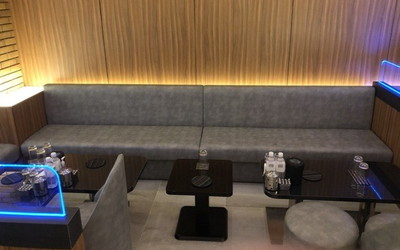
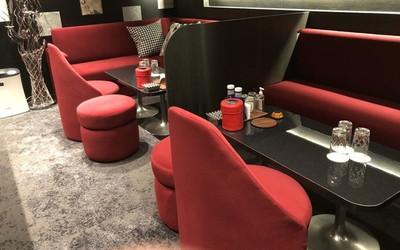
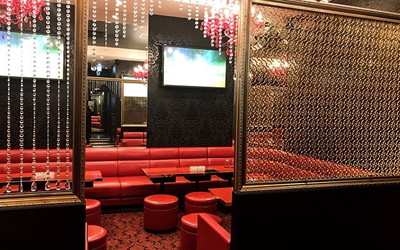
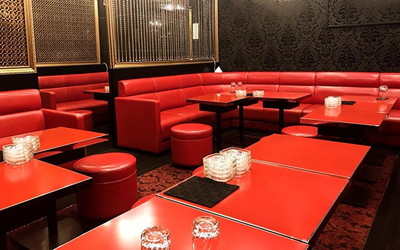
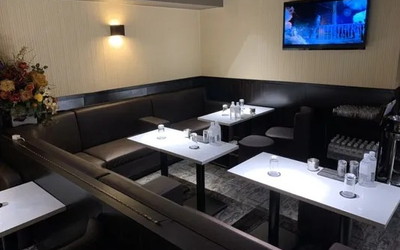
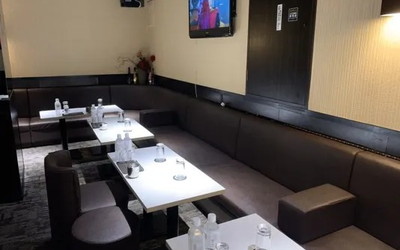
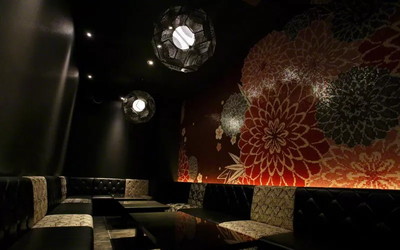
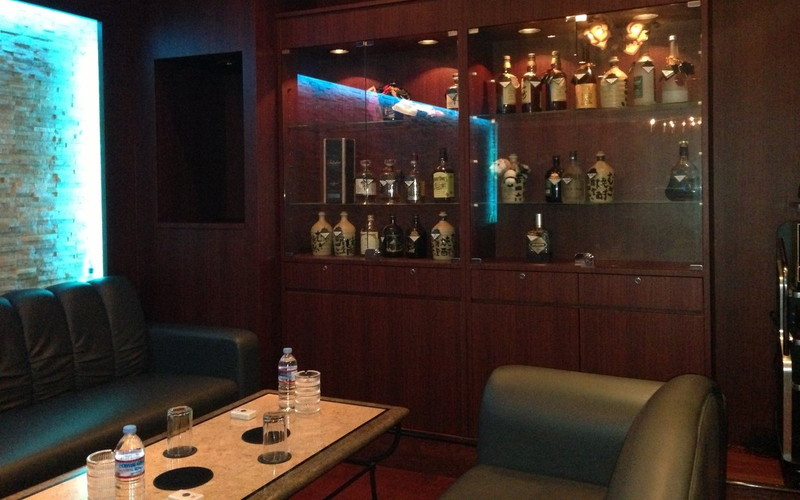
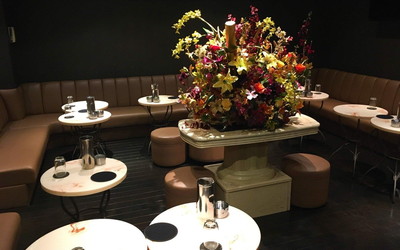
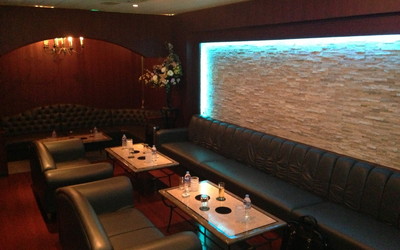
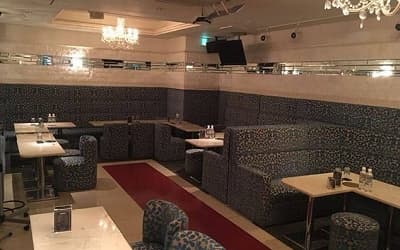
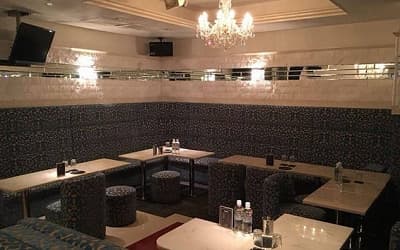
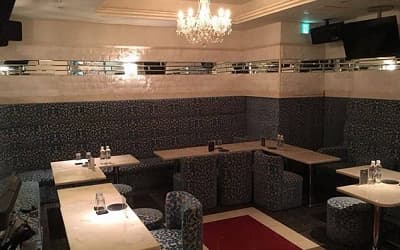
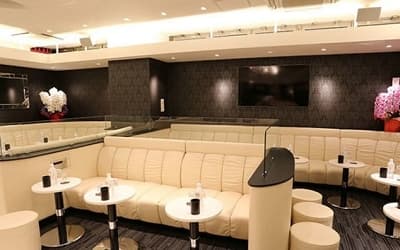
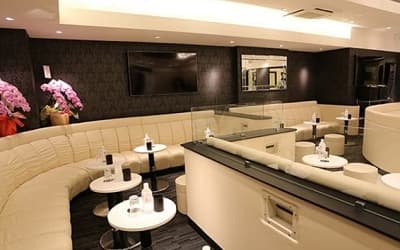
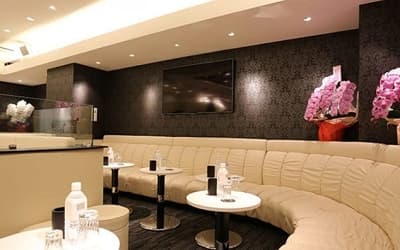
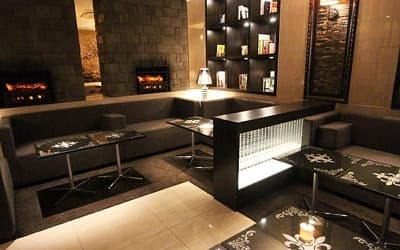
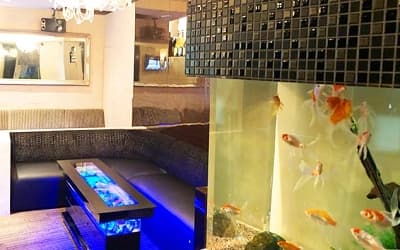
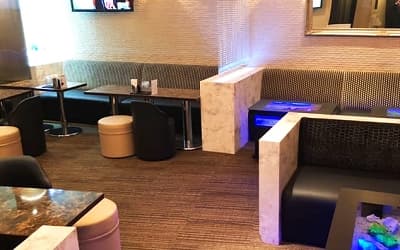
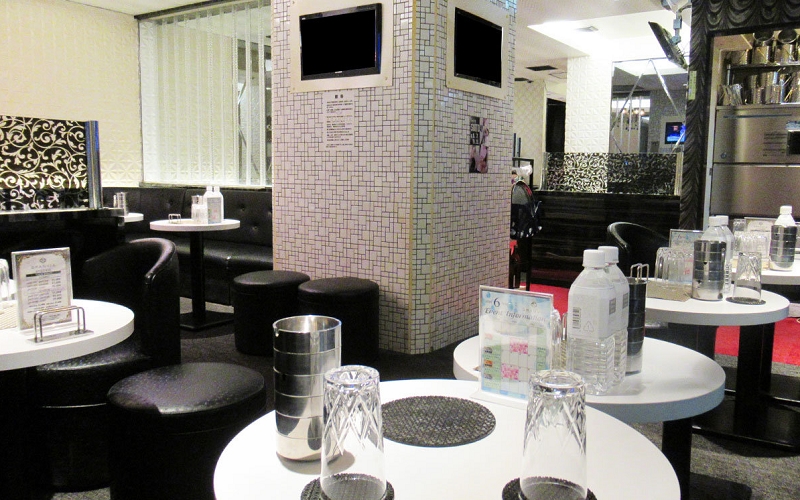
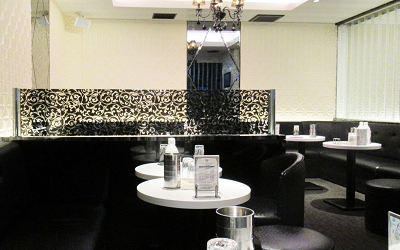
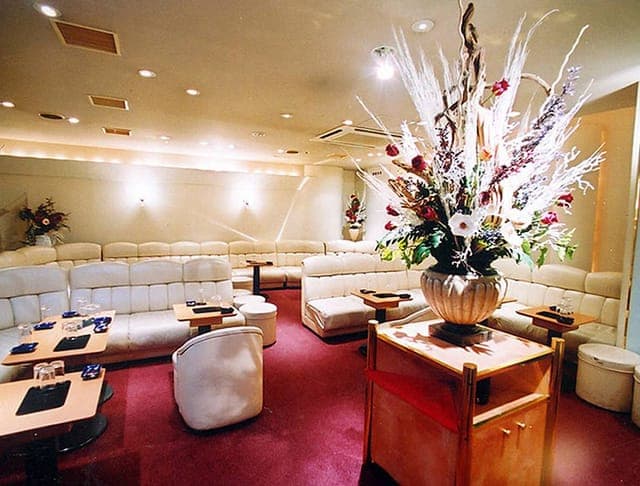
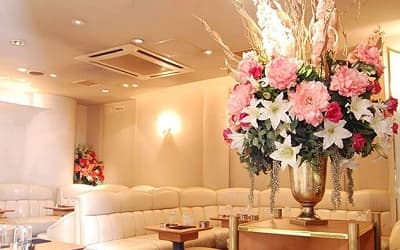
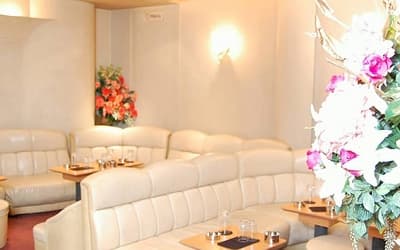
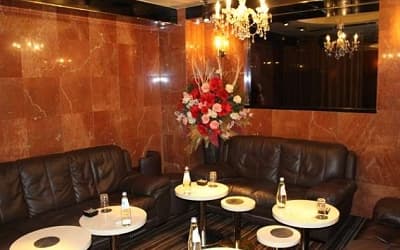
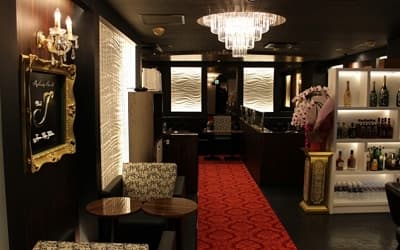
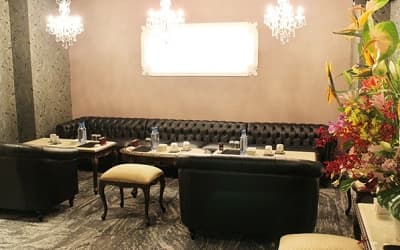
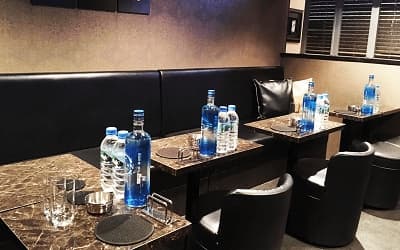
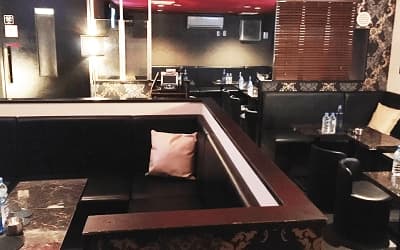
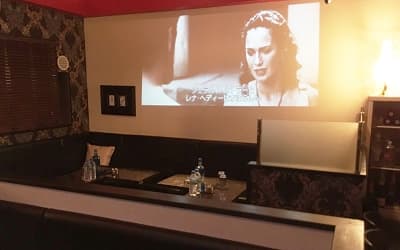
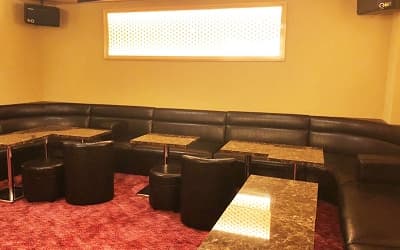
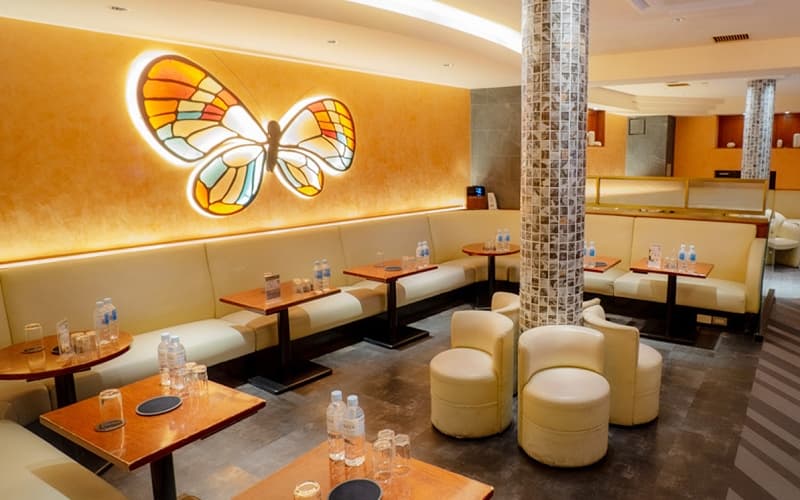
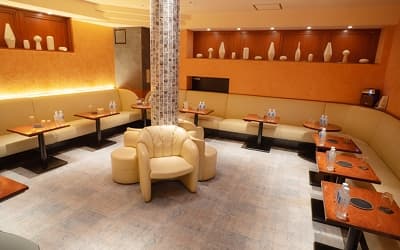
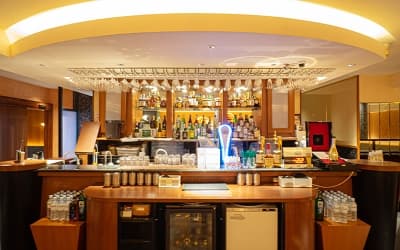
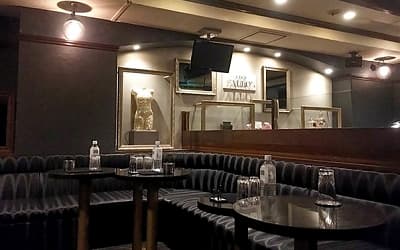
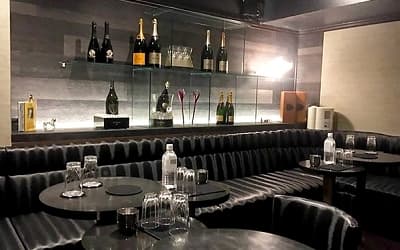
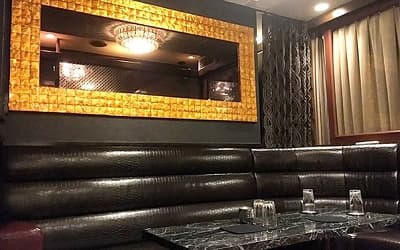
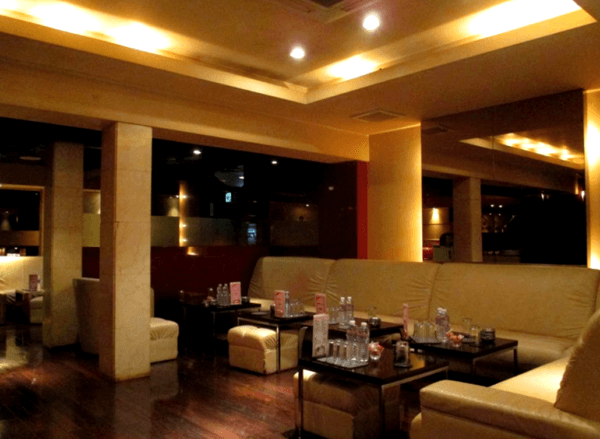
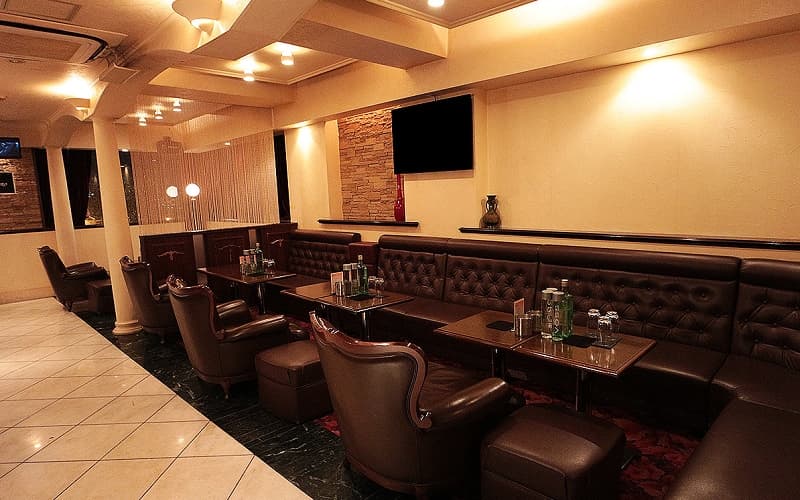
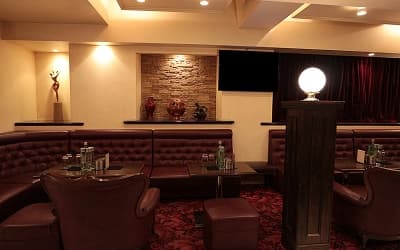
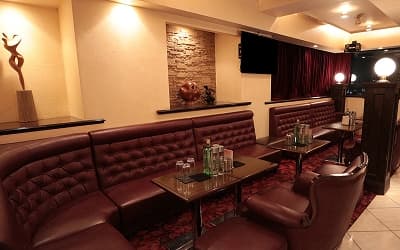
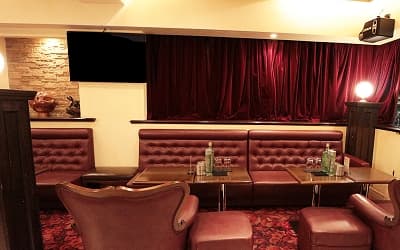
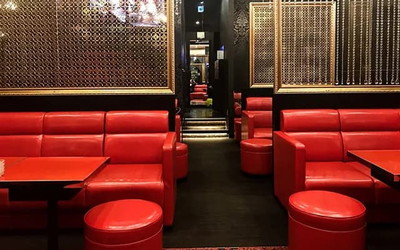
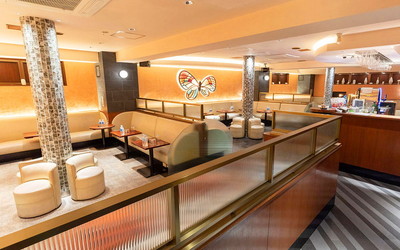
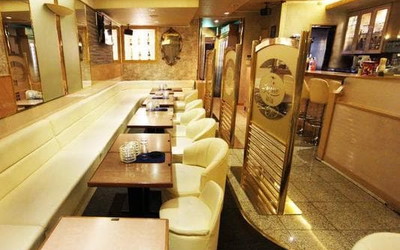
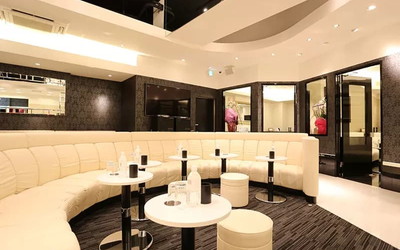
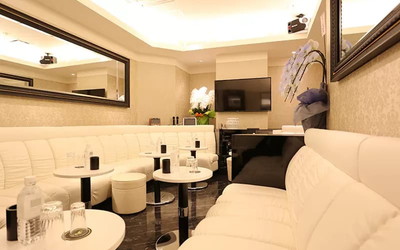
気分転換の機会にピッタリな憩いの場が欲しいとお思いなら、『Platinum Club CREA(クレア)』をぜひチェックです!上野エリアにあるこちらのお店は、優雅な雰囲気を纏うオトナの女性達と出会える姉キャバクラ。豊かな美貌に加え、柔らかな物腰など、洗練された要素を持つ美人キャスト達が所属しています。気配りの利いた彼女達によるおもてなしは、日々溜まったストレスを大いにスッキリさせてくれることでしょう。また、ゆったりと過ごせる店内環境も同店の注目ポイント。コンパクトに纏められた店内は、落ち着いたトーンで統一されていて居心地バツグンです。キャストとの距離も近く、じっくりとトークに集中できる空間が用意されていますよ。そんな同店は、お値段がリーズナブルな点も魅力。懐に優しい金額で上野の夜を楽しむことが可能です。興味の湧いた方は、ぜひ一度足を向けてみてくださいね!
お店情報 営業時間 19:00~LAST 所在地 東京都文京区湯島3-38-11 エスパス上野広小路ビル603 アクセス 上野広小路駅 北口改札より徒歩2分 TEL 03-5817-4606
1セット(60分)
1セット(120分)
指名料他
延長60分 4,000円 本指名料 2,000円 場内指名料 2,000円
店内Gallery キャストGallery アクセスマップ
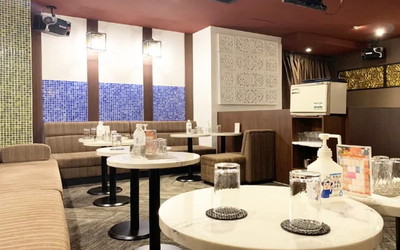
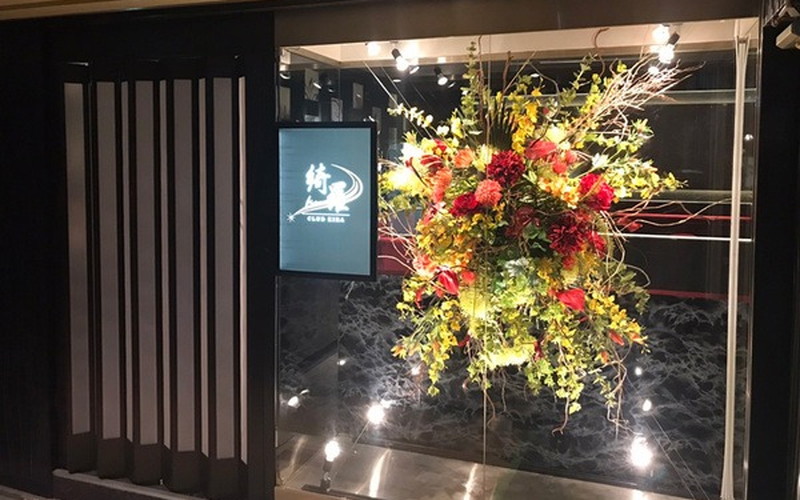
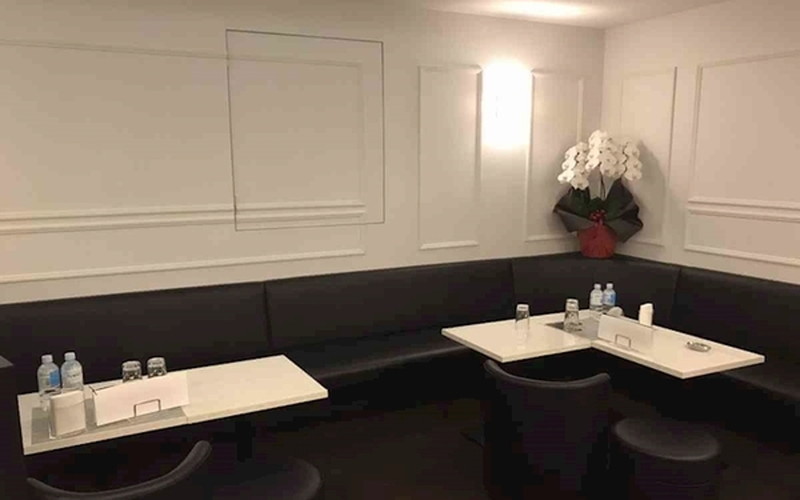
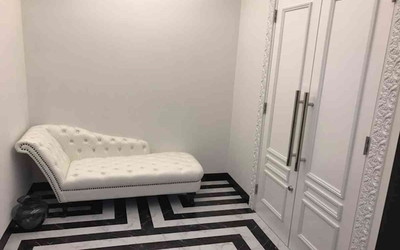
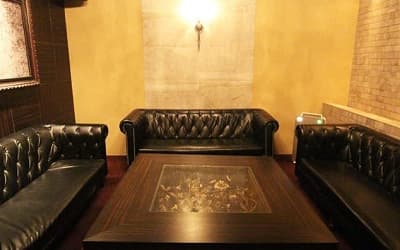
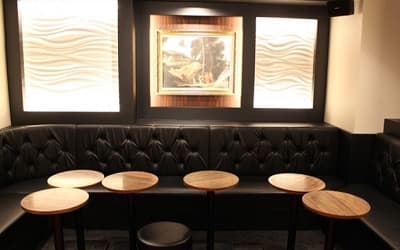
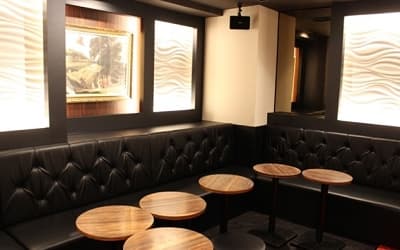
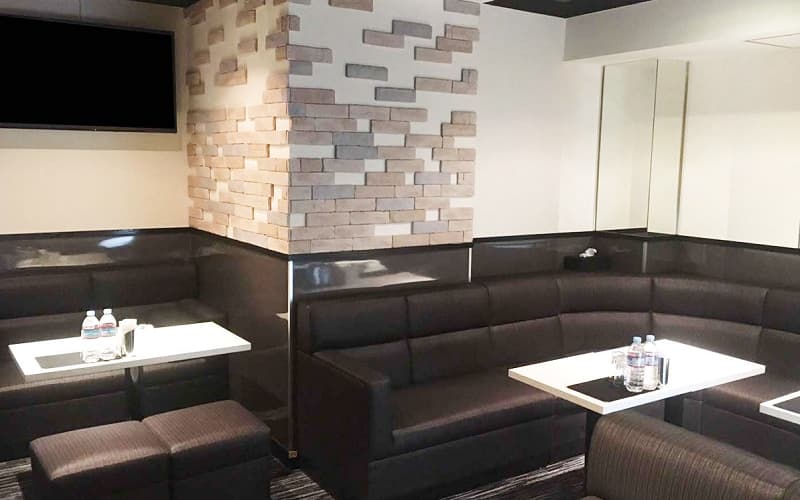
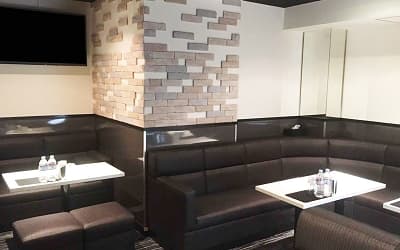
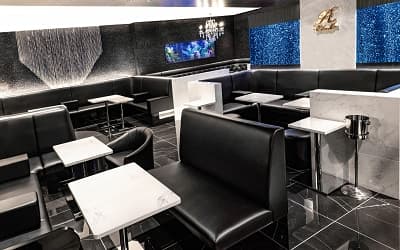
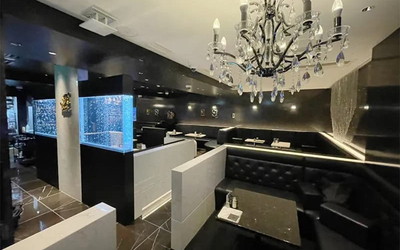
白と黒のコントラストが印象的なキャバクラ!(CLUB Kilian/キリアン) 上野の仲町通りにキャバクラ好きなら見逃せないお店があることをご存知ですか?その名は『CLUB Kilian(キリアン)』、落ち着いた雰囲気が魅力的なキャバクラです。店内は白と黒を基調としたモノトーンな色彩が印象的な造りになっています。他に類を見ない独創的な空間は必見です。在籍している女の子は20代の若さ溢れる子が中心。少し幼い表情が可愛らしい女の子から、少し大人っぽい色気を醸し出す女の子まで、いろいろなタイプのキャストが在籍しています。ルックス・トーク・接客にいたるまで、レベルの高い子ばかりなので、キャバクラ玄人の方でも頼めること請け合いです。お店は19時からと少し早い時間から営業しているため、お仕事帰りにも立ち寄りやすいでしょう。何気ない日常のアクセントに、今夜は『CLUB Kilian(キリアン)』に行ってみませんか?
お店情報 営業時間 19:00〜LAST 所在地 東京都文京区湯島3-44-3 湯島目黒ビル2F アクセス 上野駅から徒歩5分
SET料金
その他
同伴料(60分) \3000 指名料 \2000 場内指名料 \2000 延長料金 30分\4000/60分\8000
店内Gallery アクセスマップ 公式SNS
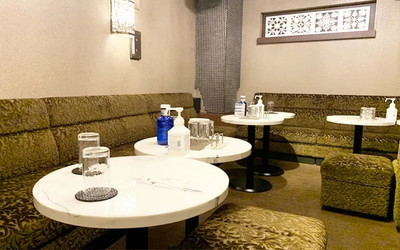
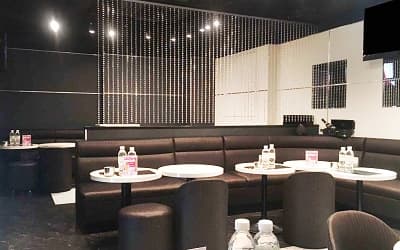
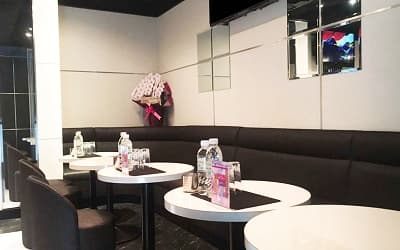
美人キャストがお出迎え!上野の大人の社交場!(CLUB JULIET/ジュリエット) 上野のキャバクラを語る上で欠かせないお店といえば『CLUB JULIET(ジュリエット)』です。上野広小路駅、湯島駅、上野御徒町駅から徒歩5分程度の場所にあるためアクセス抜群。通いやすく、終電ギリギリまで女の子との会話を楽しむことができるキャバクラです。店内は黒と白を貴重としたシンプルな作りですが、その分お酒と目の前のキャストとの会話に集中できると評判です。常連さんからの評価も高く、「可愛い女の子がたくさんいる!」「中途半端なキャバクラに行くぐらいなら、ジュリエットに行った方が満足できる!」との声もあります。もちろん在籍している女の子は、今をときめくキュートでセクシーな子ばかり。美人しか在籍していないため、お店で周りを見渡すだけで目の保養になりますよ。上野で落ち着いて飲みたいときは、『CLUB JULIET(ジュリエット)』で決まりです。
お店情報 営業時間 20:00〜LAST 所在地 東京都台東区上野2-9-6 大和ビル2階A-2 アクセス 上野広小路駅より徒歩2分 TEL 03-5826-4673
セット料金 (60分) [税・サ別]
ALL TIME 8,000円 本指名 3,000円 本指名 延長指名料(30分) 1,500円 場内指名 3,000円 場内指名 延長指名料(30分) 1,500円 同伴(60分) 3,000円 延長(30分) 4,000円
店内Gallery キャストGallery アクセスマップ 公式SNS
極上の美女軍団とラグジュアリーな空間で乾杯!(MINT/ミント)
上野でとびきりラグジュアリーで最上級なキャバクラといえば『MINT – ミント』です。有名デザイナーが手掛けた洗練された店内には、他に類を見ない非日常空間が広がっています。こんな上質な環境で過ごす時間は、あなたにとってかけがえのない体験になるに違いありません。そしてそんなお店に彩りを添えるのは、『MINT – ミント』自慢の極上美女軍団。清楚系・ギャル系・お姉さん系・モデル系など様々なタイプの女の子が在籍しているので、フリーでフラっと立ち寄っても満足することができますよ。どの女の子も接客上手で会話上手なので安心してくださいね。また、通常のフロアに加えてVIPルームも完備しています。大切な接待や特別な日など、忘れられない時間にしたいときにぜひ利用してみてください。『MINT – ミント』で最高の夜をご堪能あれ。
お店情報 営業時間 19:00〜LAST 所在地 東京都文京区湯島3-38-12 エスパス上野広小路 8F アクセス 湯島駅より徒歩1分 TEL 03-3834-0525
メイン (60分) [税・サ別]
19:00 ~ 19:59 6,000円 20:00 ~ 21:59 8,000円 22:00 ~ LAST 10,000円 本指名/場内指名 2,000円 延長 5,000円 税金・サービス料 [税] 10% [サ] 15%※税金・サービス料は上記金額に含まれません
V.I.P (60分) [税・サ別]
19:00 ~ 19:59 11,000円 20:00 ~ 21:59 13,000円 22:00 ~ LAST 15,000円 本指名/場内指名 2,000円 延長 7,500円 税金・サービス料 [税] 10% [サ] 20%※税金・サービス料は上記金額に含まれません
店内Gallery キャストGallery アクセスマップ 公式SNS
美しいお姉さんばかりが在籍している極上の癒し空間!(CLUB 小鳥遊)
『CLUB 小鳥遊』は25歳以上の美しいお姉さんばかりが在籍している、上野にある大人のためのキャバクラです。カジュアルな雰囲気でアットホームな空気が流れている店内にひとたび足を踏み入れれば、大人がくつろげるお店を目指しているというのも納得です。ハイレベルな女性を厳選して採用しておられるそうで、上野エリアでもトップクラスのキャバクラと言っても過言ではありません。もちろんVIPルームも完備しているので、団体でのご利用にも最適なお店です。また、各線上野駅から徒歩5分程度でアクセスできる通いやすさも常連さんに愛されているポイント。上野の仲町通りでも分かりやすい場所にあるため、迷うことなくたどり着くことができるでしょう。上野エリアで少し大人のお姉さんと、美味しいお酒に舌鼓を打ちながら楽しいトークに華を咲かせてみませんか?
お店情報 営業時間 19:00~翌1:00(土/月/祝 19:00~翌0:30) 所在地 東京都台東区上野2丁目9番6号 第一大和ビル 5階 アクセス JR「上野駅」「御徒町駅」より徒歩5分 TEL 03-5817-6071
メインフロア・Kルーム SET/60min
19:00~19:55 5,600円(7,000円) 20:00~20:55 6,800円(8,500円) 21:00~LAST 8,000円(10,000円) Over Charge/30min メインフロア 4,000円(5,000円) Over Charge/30min Kルーム 4,400円(5,500円)
VIPルーム(ボルビック込) Set/60min
ALL Time 9,600円(12,000円) Over Charge/30min 4,800円(6,000円) 指名料・場内指名料 2,000円(2,500円)
店内Gallery キャストGallery アクセスマップ 公式SNS
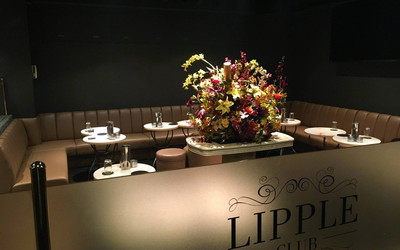
上野で15年以上にわたって愛され続ける老舗店!(LIPPLE/リップル)
15年以上にわたって多くのお客さんに親しまれている上野の老舗キャバクラ『LIPPLE(リップル)』はご存知でしょうか?明るくて元気な女の子や、天然系のおっとりとした女の子など、様々なタイプのキャストが在籍しています。もちろん顔立ちの整った美女ばかり。老舗キャバクラの誇りにかけて、採用する女性を厳しく選んでいるというのも納得です。あなた好みの女の子もきっと在籍しているでしょう。また店内は季節の花々が彩りをみせる落ち着いたリラックス空間。ゆったりとソファに腰を落として、心ゆくまでお酒を楽しむことができますよ。また、高級感溢れるVIPルームも完備しているので、接待や団体での利用にも最適です。長年多くのお客さんに支持されるキャバクラ『LIPPLE(リップル)』で、美女に囲まれて極上の時間をお過ごしください。
お店情報 営業時間 20:00~LAST 所在地 東京都台東区上野2-12-9 金栄会館5F アクセス 各線/上野駅から徒歩4分 TEL 03-3836-0806
SET料金 1set 60min
Main Floor ¥9,000 VIP Floor ¥13,000
その他
指名料金 ¥2,000 場内指名料金 ¥2,000 同伴料金 ¥4,000 税金・サービス料 10% / 現金支払い 0% 延長料金 30min(Main Floor) ¥4,500
店内Gallery アクセスマップ 公式SNS
■店舗
何度でも訪れたくなる上野の人気キャバクラ(Club Lily/リリー)
飲食店やキャバクラが立ち並ぶ上野エリアで、多くのリピーターさんから愛されているキャバクラ『Club Lily(リリー)』を紹介いたします。エリア随一の様々なタイプのキャストが在籍しており、可愛い系からクール系までいるため、きっとあなた好みの女の子が見つかるでしょう。在籍している女の子が多いため、「今日はあの子、明日はあの子」なんていう楽しみ方が出来てしまうのも『Club Lily(リリー)』ならではの楽しみ方です。また、それでいてリーズナブルな価格設定なのも、多くのリピーターさんから愛され続ける理由のひとつ。お一人様から団体まで用途に合わせた利用ができるのもポイントです。上野で最高級のサービスを提供しているキャバクラでリラックスして過ごしたい方は、ぜひ『Club Lily(リリー)』をチェックしてみてくださいね。
お店情報 営業時間 20:00~LAST 所在地 東京都台東区上野2-3-9 第1カンカンビルB1F アクセス 各線/上野駅から徒歩4分 TEL 03-3834-0734
SET料金
1set 60min ¥7,000 指名料金 ¥2,000 場内指名料金 ¥2,000 税金・サービス料 SC・TAX 30% 現金支払い 20% 延長料金 30min ¥3,500/60min ¥7,000
店内Gallery キャストGallery アクセスマップ 公式SNS
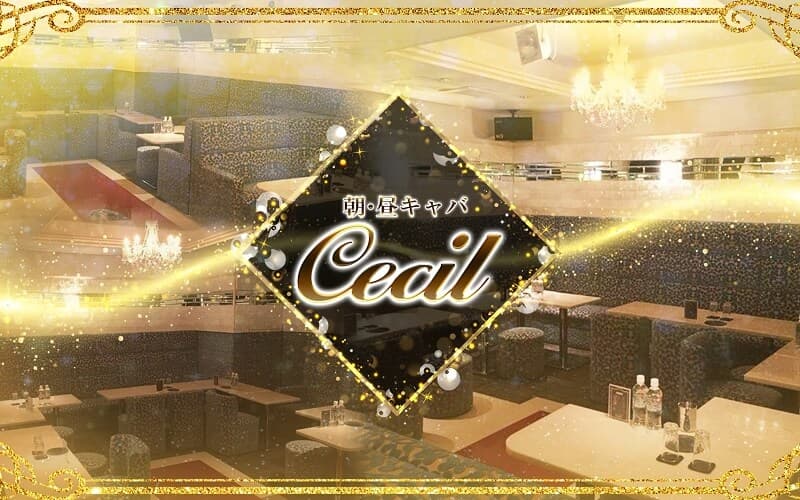
上野で朝から楽しくお酒を飲みましょう!(Cecil/セシル)
各線上野駅より徒歩5分ほどという好立地にあるキャバクラ『 Cecil(セシル)』。こちらのお店は、なんと朝・昼に女の子とお酒を楽しめるキャバクラです。夜の時間帯では会うことの叶わない女の子達と、何物にも代えがたい最高のひとときを過ごせますよ。また様々なタイプの女の子が在籍しているのもCecil(セシル)の特徴。思わず見とれてしまう美人系から、一緒にいるだけで笑みがこぼれる可愛い系までバラエティー豊かなラインナップです。どの女の子も高いルックスとおもてなしスキルを兼ね備えているので、フリーで入っても満足できること間違いないでしょう。また店内はとてもシンプルな内装ながら、リラックスして過ごせると評判。そして女の子だけでなく、男性スタッフの接客も行き届いており、終始気持ちの良い時間が過ごせる最高のキャバクラです。
お店情報 営業時間 6:00~14:00 所在地 東京都台東区上野2-11-20 タンポポビルB1F アクセス 上野駅より徒歩5分 TEL –
店内Gallery アクセスマップ 利用者の感想 明るく屈託のない笑顔で出迎えてくれた女の子に心を奪われちゃいました。それ以来、度々利用させて頂いてます。
上野で朝から美味しいお酒を飲めるキャバクラ!(新/アラタ)
出典:LuLINE
上野のキャバクラで朝から極上の時間を過ごしたい方には『新(アラタ)』がオススメ。このお店には容姿端麗で会話も楽しいキャストがたくさん在籍しているため、どんなお客さんでも満足のゆけるひとときを過ごせるでしょう。お店の場所は、東京メトロ銀座線「上野御徒町駅」から徒歩3分程度。駅からすぐに行けるため、通いやすさも抜群です。店内はおしゃれで落ち着いた雰囲気なので朝からゆっくりとお酒を楽しむことができるでしょう。またキャストだけでなく、スタッフの接客も素晴らしいと評判です。細かい部分まで気配りが行き届いていて、気持ちよく過ごせること間違いありません。営業時間は朝の6:00~17:00までなので、仕事の休みの日に早めに飲みに行って早めに帰るなんていう遊び方もできますよ。最高の朝を過ごしたい方は、ぜひ『新(アラタ)』に足を運んでみてくださいね。
お店情報 営業時間 6:00~17:00 所在地 東京都文京区湯島3-42-11 湯島ミハマビル3F アクセス 上野御徒町駅より徒歩3分 TEL –
1セット料金(60分)
ALL TIME 5,000円 延長料金(50分) 5,000円
その他・オプション料金等
本指名料 3,000円 場内指名料 2,000円 カラオケ 無料 税金・サービス料 20%
店内Gallery アクセスマップ 利用者の感想 行こうと思っていたお店が休みだったので、近くで営業していたこちらのお店にお邪魔しました。とくに期待はしてませんでしたが、思った以上によかったです。今後の遊び先の候補としてキープしておきたいと思います。
華やかさとスマートさを兼ね備えたオシャレキャバクラ!(club FAILY/フェアリー)
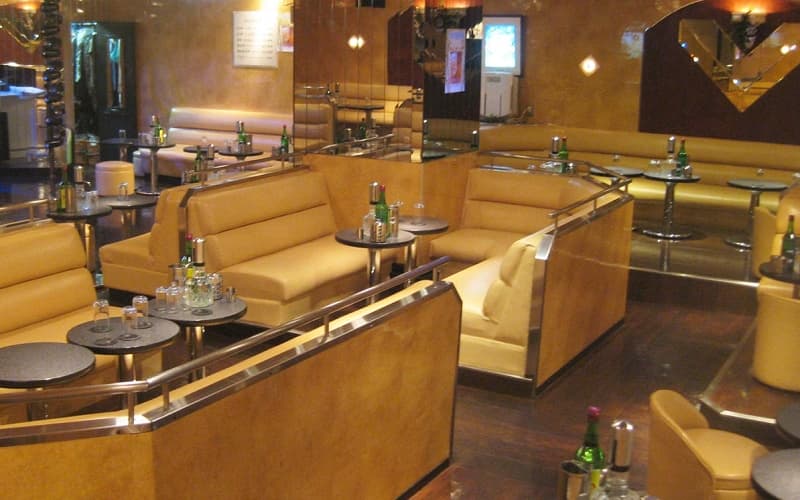
上野にて多くのお客さんからの評判を集めるキャバクラ!『club FAILY(フェアリー)』の注目ポイントは、なんと言っても細部までこだわり抜かれたインテリアです。鏡がいくつも並べられた店内は、スタイリッシュな壁色がアクセントとなったオシャレ空間。華やかさとスマートさを兼ね備えた、ユニークな内装が特徴的です。また、同店はゆったりと座れるロングソファーを配置。肩の力を抜いて寛げるお店と言えるでしょう。上野エリアの賑やかさを一歩離れ、非日常的な雰囲気を味わいたい方にピッタリです。加えて、同店は夜1:00まで営業。飲みに行った際の最後の一軒として利用してみるのもおすすめですよ。綺麗な店内でゆっくりとお酒や女の子とのトークに酔いしれる。そんな充実したひと時を上野で過ごすなら、こちらのキャバクラを訪れてみるのはいかがでしょう。
お店情報 営業時間 20:00~LAST 所在地 東京都台東区上野2-12-7 進藤ビル4F アクセス 上野御徒町駅より徒歩3分 TEL 03-5817-4047
料金システム
その他・オプション料金等
指名料 2,000円 場内指名料 3,000円 同伴料 3,000円
店内Gallery アクセスマップ 利用者の感想 上野で友達と集まる時は、だいたいフェアリーへ遊びに行きます。どの子もフランクな感じで接してくれるので気軽に立ち寄りやすい。
個性豊かな女性陣が在籍!上野で朝からキャバクラ遊びを満喫!(Witch)
出典:LuLINE
上野エリアで朝からキャバクラ遊びを満喫したい方!『Witch(ウィッチ)』の存在を見逃してはいませんか?シックなテイストにまとめられた店内は、豪華なシャンデリアが目を惹くゴージャスな空間。気分転換の場にピッタリと言える、非日常的な雰囲気が大きな魅力です。加えて、同店は在籍しているキャスト陣も外せないポイント。10代後半から20代後半という幅広い年齢の女性達が活躍しています。初々しい女の子を選んだり、オトナのお姉さんを選んだりと、遊び方はあなたの好み次第。ぜひ様々なキャスト達と会って、お気に入りの一名を見つけてみてくださいね。そして、彼女達の丁寧な接客姿勢も「グッ」と来る要素。心配りの行き届いたおもてなしで、上質なひと時を演出してくれますよ。上野を遊び尽くしたい時は、こちらのお店にぜひお立ち寄りください。
お店情報 営業時間 6:00~17:00 所在地 東京都台東区上野2-10-7 京邦ビルB1F アクセス 湯島駅2番出口より徒歩2分 TEL 03-6803-0430
1セット料金
50分 6,000円 延長料金(30分/60分) 5,000円/8,000円
その他・オプション料金等
VIP ROOM 8,000円 本指名料 3,000円 場内指名料 3,000円 同伴料 3,000円 税金・サービス料 30%
店内Gallery アクセスマップ 利用者の感想 上野ではしご酒の最後の締めに立ち寄りました。大分酔っぱらっていたのでところどころ記憶がぬけていますが、可愛いお姉ちゃんが相手してくれたことだけは鮮明に覚えています。めんどくさい客だっただろうと思いますが、とても優しく接してくれた。今度はもう少しまともな状態の時に行きたいと思います。
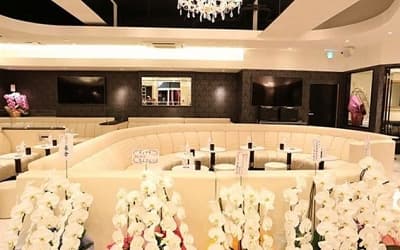
キャスト数も豊富な、上野エリア最大級の大箱店(TIARA/ティアラ)
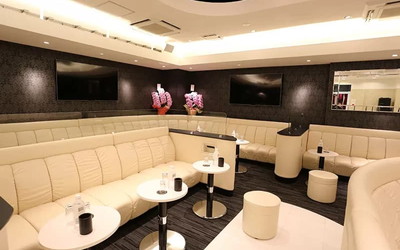
上野エリア最大級規模を誇る「ティアラ」はフロア面積なんと約150坪ある大型キャバクラ店。隅々まで清掃が行き渡り清潔感溢れる店内は、全体的に白を基調とし様々な花で差し色をすることでポップな雰囲気を演出。可憐な彼女たちをより一層引き立たせています。高級感のある革張りのソファーからは、ゆったり寛いでほしいというおもてなしの心を感じられ、スタッフのきめ細やかな対応にも定評があります。またこの店の驚かされるところは、圧倒的な在籍人数。約200人のキャストがおり、その中には芸能人の卵、現役女子大生、OLなど様々なタイプの女の子たちが活躍しています。このお店で、女の子選びに困るということはないでしょう。客層も若者からご年配の方まで幅広く利用されているということもあり、誰でも気兼ねなく立ち寄れる点もうれしいところ。オールタイム1SET(60分)8,000円からご利用可能です。あなただけのお気に入りをぜひ探してみてください。
お店情報 営業時間 19:00 ~ LAST 所在地 東京都台東区上野2-3-5 小島ビル3F アクセス 上野広小路駅より徒歩1分 TEL 03-3837-3031
1セット料金(60分)
All TIME 8,000円 延長料金(30分) 4,000円 指名料 2,000円 同伴料 2,000円 税金・サービス料 10%/20%
VIP 1セット料金(60分)
All TIME 12,000円 延長料金(30分) 6,000円 指名料 4,000円 同伴料 3,000円 税金・サービス料 10%/20%
店内Gallery キャストGallery アクセスマップ 公式SNS
利用者の感想 長いこと通ってますが、常に変わらない満足感を与えてくれます。
常連さんも多いし、ご新規さんも多い。評判通りの優良店ですね。
広々とした店内・高級感は圧巻。上野でも特にレベルの高い店舗。
魅惑のスレンダー美女を ゴージャスに楽しむ!(CLUB EPIC/クラブ エピック)
『CLUB EPIC(エピック)』は、上野で大人気の高級キャバクラ店。「上野駅」・「上野御徒町駅」・「上野広小路駅」より徒歩約5分圏内のところにあり、仕事終わりのアクセスは抜群!内装のクオリティーが高く、高級感あふれるキャバクラです。大箱で広々とした店内には、カラオケを楽しめるVIPルーム が存在!ゴージャスな雰囲気に気分を高揚させつつ、ゆったりノビノビとした夜を過ごせますよ。お客さんは落ち着いた層が多く、上品に楽しめるのがポイント。キャストの年齢層は20代半ばで、スタイル自慢の女の子ばかりです。可愛い子 だけでなく綺麗系や清楚系 も在籍しているので、あなたにピッタリの女の子が見つかるはず♪ラグジュアリーな店内空間とハイレベルなキャストに 、心から満足すること間違いなしですよ。「上野」で特別な夜を過ごすなら、『CLUB EPIC(エピック)』で決まり!
お店情報 営業時間 20:00~LAST 所在地 東京都台東区上野2-8-4 日栄ビル一番館3F アクセス 上野御徒町駅、上野広小路駅より徒歩3分、上野駅より徒歩5分 TEL 03-5816-1933
1セット料金(60分)
20:00~20:59 8,000円 21:00~21:59 9,000円 22:00~LAST 10,000円 延長料金(30分/60分) 5,000円/9,000円
その他・オプション料金等
本指名料 2,000円 場内指名料 2,000円 延長指名料金(30分/60分) 1,000円/2,000円 同伴料 2,000円 VIPルーム(60分) 20,000円 税金・サービス料 30%
店内Gallery キャストGallery アクセスマップ 公式SNS
美脚がたまらない!贅沢な癒やし空間◎(東京キャバどる)
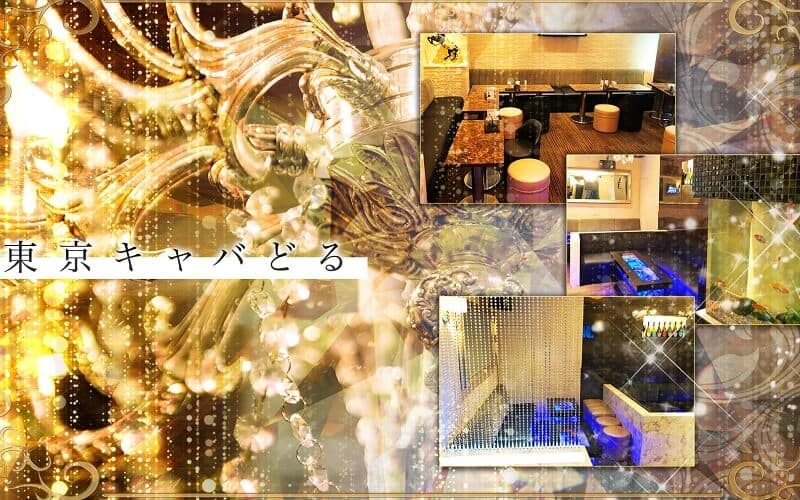
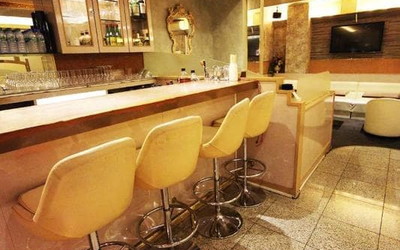
ワンランク上の特別な夜を楽しむなら、上野のキャバクラ『東京キャバどる』。「上野御徒町駅」より徒歩約2分と便利な立地にあるお店です。ラグジュアリーな雰囲気の中、ロングソファでゆったりと寛ぎながら贅沢な時間を過ごせます。キャストはアイドルのように魅力的な20代半ばの女の子たち◎美脚揃いと大好評で、脚フェチにはたまらないキャバクラなんです!キュートなミニワンピースをはじめ、色とりどりの衣装がさらに女の子の美しさを引き出しています。そして、19:00~19:59の時間帯は要チェック!1SET(60分)6,000円でお財布に優しいので、仕事終わりに気軽に楽しむことができます。お話し上手な子が多く、一緒に笑っていたら1日の疲れが吹き飛んじゃいますよ。もっと発散したい方は、1,000円で歌い放題のカラオケがオススメ♪至極の癒しを求める夜は、『東京キャバどる』を訪れてみましょう!
お店情報 営業時間 19:00~LAST 所在地 東京都文京区湯島3-41-1 ル・ドーム2F アクセス 野御徒町駅より徒歩2分 TEL 03-6284-4333
1セット料金(60分)
19:00~19:59 6,000円 20:00~21:59 8,000円 22:00~LAST 10,000円 延長料金(30分/60分) 4,000円/8,000円(Open~20:00) 延長料金(30分/60分) 5,000円/10,000円(20:00~Last)
その他・オプション料金等
本指名料 3,000円 場内指名料 2,000円 カラオケ(歌い放題) 1,000円 税金・サービス料 10%/20%
店内Gallery アクセスマップ 公式SNS 利用者の感想 衣装がセクシー。目の保養になる一方で、モヤっとしてしまう部分も(笑)
美女揃いなうえに特別感のある店内もグッド!(GRAVITY/グラヴィティ)
上野で行きつけキャバクラがまだ決まっていないなら、『GRAVITY(グラヴィティ)』という選択肢はいかがでしょう。こちらのお店のイチオシポイントはコストパフォーマンスの高さ。ビジターの方でも20:00~20:59は1SET(60分)7,000円で利用することが可能です。加えて、メンバーだとよりお得に遊べるのも大きな魅力。そんなお手頃価格にもかかわらず、質の高いキャスト陣が揃っているのも注目です。顔つきもスタイルも美しい美女がズラリと揃う同店。いずれの女性も麗しい美人さんばかりなので、誰を選んでも満足すること請け合いです。ラグジュアリーなテイストの店内も併せ、特別感のある気分を大いに味わえますよ。そして、カラオケやゴージャスなV.I.Pルームも用意されているため、大人数や接待での利用もグッド。プライベートの際も特別な日でも活用しやすい、上野で要注目のキャバクラです。
お店情報 営業時間 20:00~LAST 所在地 東京都台東区上野2-10-4 池之端会館ビルB1F アクセス 京成上野駅より徒歩3分 TEL 03-3832-2526
1セット料金(メンバー/60分)
20:00~20:59 6,000円 21:00~21:59 7,000円 22:00~LAST 8,000円 延長料金(30分/60分) 4,000円/7,000円
1セット料金(ビジター/60分)
20:00~20:59 7,000円 21:00~21:59 8,000円 22:00~LAST 9,000円 延長料金(30分/60分) 4,000円/7,000円
VIP&エグゼクティブ(60分)
ALL TIME 12,000円 VIP料金 12,000円 延長料金(30分/60分) 6,000円/11,000円
その他・オプション料金等
本指名料 2,000円 場内指名料 2,000円 同伴料(70分) 3,000円 税金・サービス料 30%
店内Gallery アクセスマップ 公式SNS 利用者の感想 うおぉぉぉぉ!って、叫びたくなるぐらい美人なキャストさんがいっぱい。母ちゃんと同じ生物とは思えない。。
リーズナブルな価格で贅沢な体験を味わえる注目店!(Mrs.J 上野)
お手頃価格でキャバクラ遊びを満喫できるのが、『Mrs.J 上野』を利用する大きなメリットと言えるでしょう。19:00~19:59は1SET(50分)2,800円、20:00~20:59でも1SET(50分)3,800円というお値段で遊べるのだから驚きです。店内に入ると目の前に広がるのは、豪華絢爛な空間。煌びやかなカラーリングの壁紙もさることながら、ラグジュアリーな装飾が施された内装が印象的です。そんな同店であなたの訪れを待っているのは、女盛りを迎えた艶女達。妖艶な雰囲気を纏うマドンナ達が、丁寧なおもてなしで上野の夜を盛り上げてくれますよ。彼女達の包み込むような優しさに、日頃溜まったストレスも癒やされること請け合いです。贅沢極まりないゴージャスな空間で、美しいオトナの女性達とトークやお酒を嗜みながらゆったりと過ごす。そのような極上の時間を、上野にあるキャバクラ『Mrs.J 上野』で送ってみてはいかがでしょう。
お店情報 営業時間 19:00~LAST 所在地 東京都台東区上野2-12-11 宝丹ビル4F アクセス 上野御徒町駅より徒歩3分 TEL 03-6803-2400
1セット料金(50分)
19:00~19:59 2,800円 20:00~20:59 3,800円 21:00~LAST 4,800円
その他・オプション料金等
指名料 1,000円 同伴料 3,000円 税金・サービス料 10%
店内Gallery キャストGallery アクセスマップ 公式SNS 利用者の感想 請求金額を見た時はあまりの安さに驚きました。何かの間違いかと思い、二度見どころか三度見ちゃいましたよ(笑)とっても良心的なお店。
上野の夜を優雅に過ごすならこちらのお店は外せない!(Dio/ディオ)
「上野で優雅な時間を過ごしたい」そんな気分の時におすすめしたいキャバクラが、『Dio(ディオ)』です。店内に一歩足を踏み入れると、落ち着いた色合いで統一されたエレガントな空間がお出迎え。余裕を持たせた座席配置も相まって、肩の力を抜いて寛げる環境が用意されています。加えて、色っぽさ満点のキャストが勢ぞろいしている同店。女としての美しさに磨きをかけたお姉さん達と、楽しいひと時を過ごすことができますよ。カラオケも無料で用意されているので、活用してみるのもイチオシです。そんな同店は、オールタイム1SET(60分)6,000円と明朗会計な点も注目ポイント。複数名で訪れるとよりお得に遊べるのもグッドです。「上野駅」や「上野御徒町駅」「上野広小路駅」の各駅から徒歩5分圏内のアクセスも含め、普段使いで気軽に利用できるキャバクラと言えるでしょう。
お店情報 営業時間 19:00~LAST 所在地 東京都台東区上野2-9-6 大和ビル3F アクセス 上野駅より徒歩5分、上野御徒町駅、上野広小路駅より徒歩3分 TEL 03-6806-0501
1セット料金
60分 6,000円 60分(2名~) 5,000円(1名の料金) 60分(3名以上) 4,000円(1名の料金) 延長料金(60分) 6,000円 延長料金(60分、2名~) 5,000円(1名の料金) 延長料金(60分、3名以上) 4,000円(1名の料金)
その他・オプション料金等
店内Gallery アクセスマップ 利用者の感想 ツレとよく2人で訪れてます。セットあたりの料金が少し安くなるのでそこは素直に嬉しい。もう1人キャバクラ仲間がいればさらにお安くなるのですが。
浅草の老舗キャバクラで、最高のひとときを。(CLUB Royal/ロイヤル)
『CLUB Royal(ロイヤル)』は、つくばエクスプレス浅草駅より徒歩ですぐという行きやすい立地にあるキャバクラです。40年以上の歴史と実績を持つ、大手プラザグループの本店のため安心してお酒を楽しむことができますよ。洗練された本格的なショータイムを毎月開催しており、常時たくさんの女の子が出勤しているため、きっと満足の行く時間が過ごせることでしょう。お店の雰囲気は落ち着いた和モダンなラグジュアリー空間なので、どなたでもゆっくりとくつろぐことができます。お客さんそれぞれの好みや需要にあった、最高の時間を提供してくれること間違いありません。個性豊かで各々の良さを感じさせてくれる女の子が多く在籍している『CLUB Royal(ロイヤル)』でお気に入りの女の子を見つけてみてはいかがでしょうか?
お店情報 営業時間 19:00~LAST 所在地 東京都台東区西浅草3-1-11 YS-2ビル3F アクセス 浅草駅より徒歩1分 TEL 03-3844-5941
メイン 1セット料金(60分)
19:00~19:55 8,000円 20:00~LAST 9,000円 延長料金(30分) 4,500円
VIP 1セット料金(90分)
All TIME 24,000円 延長料金(30分) 7,000円
その他・オプション料金等
指名料 2,200円 場内指名料 2,200円 ハウスボトル 1,200円
店内Gallery キャストGallery アクセスマップ 公式SNS
利用者の感想 ショーを見たくて長らく通っています。何度もみても飽きのこない演出は素晴らしいですね。
キュートな女の子達と上野で盛り上がるならこのお店!(ハイスクールマーヤ上野店)
フレッシュな女の子と上野の夜をエンジョイしたいなら、『ハイスクールマーヤ上野店』がイチオシ!このお店は業界の色に染まっていない、素人系キャストの専門キャバクラ。初々しさあふれる女の子達と、楽しいひと時を過ごせますよ。しかも彼女達は可愛らしいコスチューム姿。可憐な衣装に身を包んだキャスト達が、元気いっぱいの接客で盛り上げてくれます!そして、こちらのキャバクラの見逃せないポイントが、3か月でキャストが卒業するシステムを採用している点。どのタイミングで訪れても、うら若き女の子達との出会いを満喫できますよ。そんな同店はロープライスで利用できる、懐に優しい料金設定も大きな魅力。19:00~20:59は1SET(40分)4,900円のお値段で楽しめます。明るい雰囲気に包まれた店内も含め、気分を高めてくれる要素がてんこ盛りな同店。気持ちをリフレッシュする場をお求めの方は、ぜひ訪れてみてください!
お店情報 営業時間 19:00~LAST 所在地 東京都台東区上野2-12-3 大国屋ビル3F アクセス 京成上野駅より徒歩2分 TEL 03-5812-8060
1セット料金(40分)
19:00~20:59 4,900円 21:00~LAST 5,900円 延長料金(20分) 2,900円
VIP ROOM(40分)
ALL TIME 7,900円 延長料金(20分) 3,900円
その他・オプション料金等
指名料 1,900円 場内指名料 1,900円 同伴料 無料 税金・サービス料 15%
店内Gallery アクセスマップ 公式SNS 利用者の感想 女の子の入れ替わりが早いのでフリー専門の人はいろんな女の子と出会えていいかも。逆にお気に入りを見つけて通うって人には不向きです。
今宵、笑顔が絶えないひと時を上野で(Club DINO/ディーノ)
「楽しく女の子とのおしゃべりを楽しみたい!」とお思いの方におすすめしたいのが、上野にあるキャバクラ『Club DINO(ディーノ)』です。上野駅から徒歩3分ほどの場所にあります。エンターテイメント性あふれる店内にいるのは美女揃い!元気いっぱいの印象の子 から色気がある子まで、幅広いタイプのキャストが在籍していますよ。しかも、女の子たちはみんな聞き上手。マニアックな趣味のお話にも、興味津々に耳を傾けてくれます。楽しい雰囲気も相まって、ついついお酒を飲みすぎてしまった……とならないように要注意です!そんな笑顔が絶えない時間が、上野のキャバクラ『Club DINO(ディーノ)』で過ごせますよ。18時からオープンしているので、1軒件目として利用する方もいるのだとか!ぜひ一度足を向けてみてはいかがでしょうか?気に入った女性は指名もできますよ!</p
お店情報 営業時間 18:00~LAST 所在地 東京都台東区上野2-9-6 B2F アクセス 上野駅より徒歩3分 TEL 03-3831-2134
1セット料金(60分)
18:00~20:00 6,000円 20:00~LAST 8,000円 延長料金(30分) 4,000円
その他・オプション料金等
指名料 2,000円 場内指名料 2,000円 延長指名料金(30分) 1,000円
店内Gallery アクセスマップ 公式SNS 利用者の感想 18時からOPENしてるので1件目として選びやすい。こちらで1~2セット楽しんで2軒目、3件目に行くのが私の中で定番になっています。
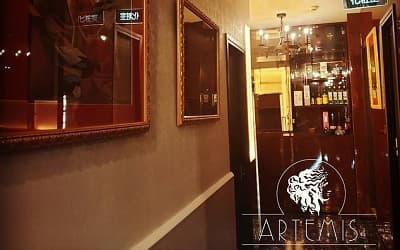
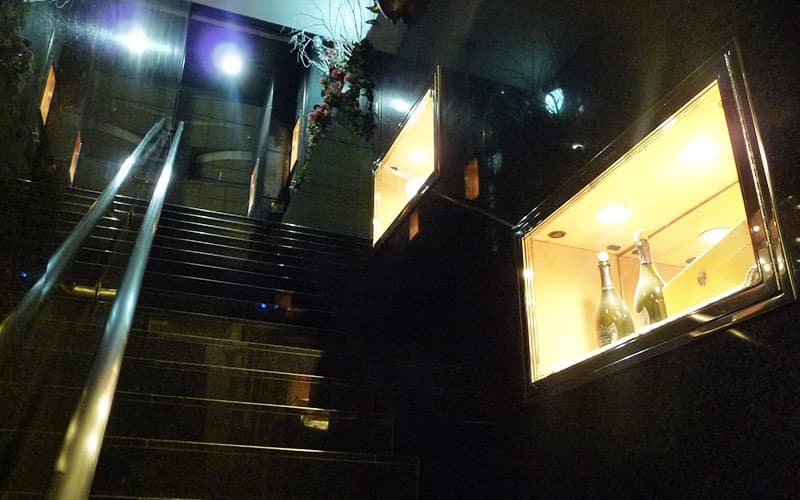
激戦区上野の上質かつリーズナブルなお店!(ARTEMIS/アルテミス)
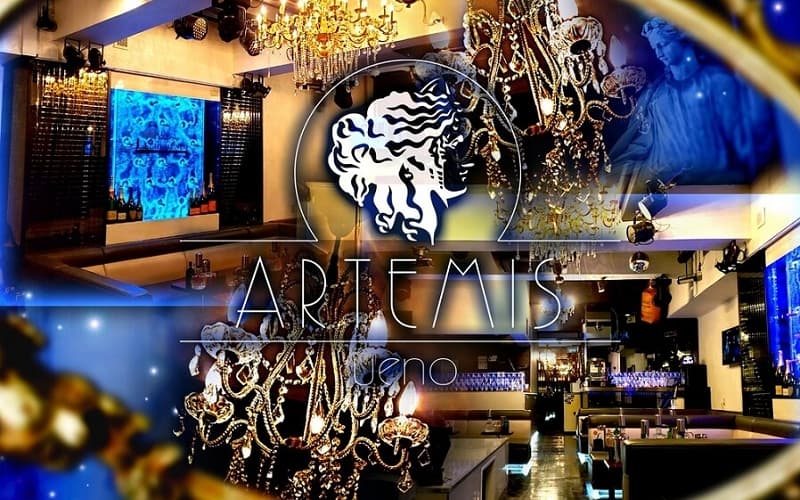
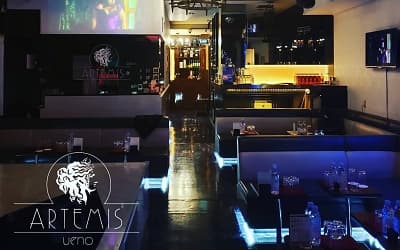
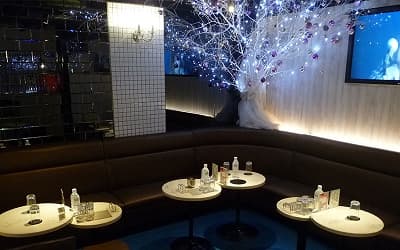
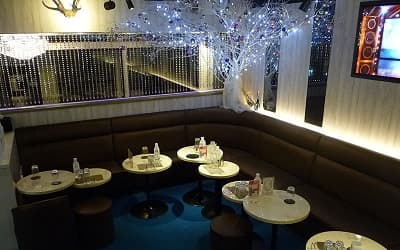
“キャバクラ激戦区”と言われる上野エリアで、人気を博しているのが「アルテミス」です。そのわけは高級感溢れる内装ながらリーズナブルに楽しめるという点。店内はまず強い存在感を放つ中央のシャンデリアが印象的です。加えて、白と茶色が絶妙なバランスで合わさったナチュラルなコーディネートの内装は、ラグジュアリーな空間を演出。上質で落ち着いた雰囲気は、特別な夜を過ごすのに最適なものとなっています。このエリアでは良心的な1SET60分7,000円から利用できる点もうれしいトコロ。また、在籍しているキャストも美人揃いでハイレベルなのがこのお店のもう一つの特徴。セクシー系やかわいい系など、豊富なタイプの子たちが在籍しているので、あなたがグッと来る好みの女性を発見できるかもしれません。気軽に立ち寄れる「アルテミス」をぜひ一度お試しください。
お店情報 営業時間 19:00 ~ LAST 所在地 東京都台東区上野2-11-20 タンポポビル 2F アクセス 上野駅より徒歩約7分 TEL 03-6806-0455
1セット料金(60分)
19:00~19:59 7,000円 20:00~23:59 8,000円 24:00~LAST 6,000円 延長料金(30分) 4,000円 ※自動延長 税金・サービス料 10%/20%
その他・オプション料金等
指名料+同伴 ASK ※キャスト毎に異なる 場内指名料 3,000円
店内Gallery キャストGallery アクセスマップ
上野エリアでトップクラスの人気キャバクラ店!(BEYOND/ビヨンド)
湯島・御徒町・上野3つの駅から徒歩圏内とアクセス便利なキャバクラ店「ビヨンド」は、キャストのルックスの良さ、サービスの質、ともにこのエリアトップクラス。洗練されたおしゃれで上質な店内は、ハイセンスな調度品が置かれていて高級感を演出。来店した方たちが落ち着いて過ごせるようにとのお店側の心遣いが感じられる空間となっています。そんなこだわりの店内で、あなたを迎えてくれるのはお店自慢の精鋭キャスト陣たち。在籍している女性はみな美人ばかりです。清楚なお嬢様系女子、フェロモン系セクシー嬢など、タイプも様々いるのであなたの好みの子がきっと見つかりますよ。また、20:00~20:59までは1SET60分6,000円からと少しお安く利用できるので、この時間帯がおすすめです。上野エリアで大人気「ビヨンド」には、あなたを虜にする理由が全てあります。
お店情報 営業時間 20:00 ~ LAST 所在地 東京都文京区湯島3-39-7 湯島ASビルB1F アクセス 湯島駅より徒歩1分、上野広小路駅より徒歩1分、御徒町駅より徒歩3分 TEL 03-5812-4755
メンバー 1セット料金(60分)
20:00 ~ 20:59 6,000円 21:00 ~ 21:59 7,000円 22:00 ~ LAST 8,000円 延長料金(30分/60分) 4,000円/7,000円 税金・サービス料 23%
ビジター 1セット料金(60分)
20:00 ~ 20:59 7,000円 21:00 ~ 21:59 8,000円 22:00 ~ LAST 9,000円 延長料金(30分/60分) 4,000円/7,000円 税金・サービス料 23%
VIP&エグゼクティブ 1セット料金(60分)
ALL TIME 12,000円 VIP料金 12,000円 延長料金(30分/60分) 6,000円/11,000円 税金・サービス料 23%
初回 1セット料金(60分)
20:00 ~ 20:59 6,000円(税・サ別) 21:00~ 7,000円(税・サ別)
その他・オプション料金等
初回WEB指名 60分1セットに限り指名料無料 指名料 2,000円 場内指名料 2,000円 延長指名料・延長場内指名料(30分) 1,000円 同伴料(70分) 3,000円
店内Gallery キャストGallery アクセスマップ
上野エリアトップクラスの高級キャバクラ店!(ATLANTIS/アトランティス)
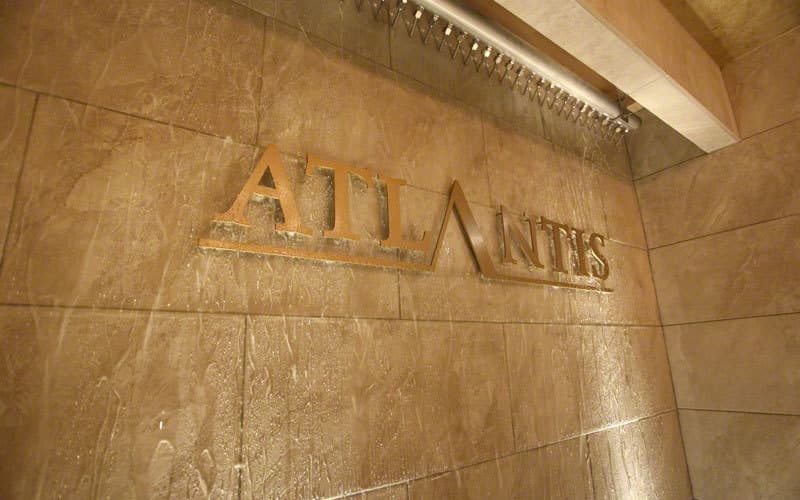
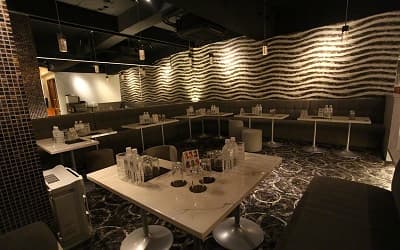
上野エリアで「アトランティス」という名前を知らない人はいないというほどの有名キャバクラ店で、なおかつこのエリア屈指の大型店でもあります。入り口はアクアウォールとなっていて、そこにはお店のロゴが飾られています。さすがはこのエリア随一の繁盛店といった贅沢な演出で、これから始まる至福のひとときを予感させてくれます。店内に一歩足を踏み入れると、そこには白とグレーの配色で統一されたメインフロアが広がり、夜の蝶たちを際立たせるには十分な高級感が溢れています。またこのお店にある複数のVIPルームはどれも異なる雰囲気を持ち合わせていて、さらにラグジュアリーな空間を演出。さらなる非日常を味わいたいのならこちらもおすすめです。人気店たる所以はしっかりと裏打ちされたサービスの質。洗練されたキャストたちの上質な接客をぜひ体験してみてください。
お店情報 営業時間 20:00 ~ LAST 所在地 東京都台東区上野2-10-4 池之端会館2F アクセス 上野駅 不忍口より徒歩7分 TEL 03-6806-0047
1セット料金(60分)
20:00 ~ 21:59 8,000円 22:00 ~ LAST 9,000円 延長料金(30分/60分) 4,500円/8,000円 税金・サービス料 10%/15%
VIP 1セット料金(60分)
ALL TIME 12,000円 延長料金(30分/60分) 6,000円/12,000円 税金・サービス料 10%/20%
その他・オプション料金等
指名料 2,000円 場内指名料 2,000円 同伴料 3,000円
店内Gallery キャストGallery アクセスマップ
激戦区を生き抜いて来られたのにはワケがある!(Club Capone/カポネ)
出典:きゃばきゃば
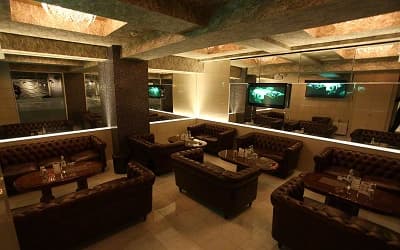
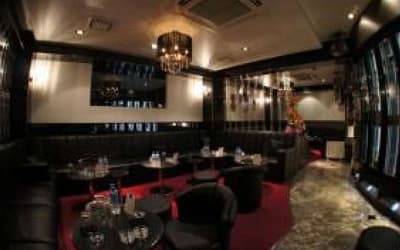
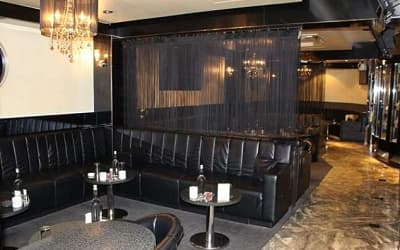
上野エリアで随一のネームバリューを誇るキャバクラ店「クラブ カポネ」は、長年このエリアで生き抜いてきた信頼と実績、そして培ってきたノウハウを基に連日お店は大繁盛。アットホームな雰囲気でラグジュアリーな店内は、ゆったりと落ちつける空間を生み出しています。何といってもこのお店、一緒に飲んでいて楽しいと思わせる明るい接客が売りです。キャスト陣は20代から30代半ばまでと幅広い年齢層の女の子が在籍していて、みんなルックスやスタイルの良い子ばかり。元気いっぱいの彼女たちはキャスト同士も仲が良く、全員でその場を和ませる一体感があります。19:00~19:59までは1SET60分6,000円からご利用可能。他の時間帯より少し安く楽しむことができます。また、VIPルームも完備しているので、大事な方との接待、プライベートを重要視している方にもおすすめ。お一人様はもちろん、友人・知人を連れ立っての大人数、どちらでも気軽に利用できるお店です。
お店情報 営業時間 19:00 ~ LAST 所在地 東京都台東区上野2-12-9 金栄会館4F アクセス 上野駅不忍口より徒歩4分 TEL 03-5817-7152
1セット料金(60分)
19:00~19:59 6,000円 20:00~20:59 7,000円 21:00~LAST 8,000円 延長料金(30分/60分) 4,000円/7,500円
VIP 1セット料金(60分)
ALL TIME 12,000円 延長料金(30分/60分) 6,000円/12,000円
その他・オプション料金等
本指名料 3,000円 場内指名料 2,000円 同伴料 3,000円 延長指名料(30分) 1,500円 TAX 20%
店内Gallery 出典:きゃばきゃば
キャストGallery 出典:きゃばきゃば
アクセスマップ 公式SNS
利用者の感想 接客◎ルックス◎愛嬌◎これは楽しいわけだわ。
スタッフさんも女の子も丁寧、親切なのでまた行きます。
上質空間と厳選された美女!束の間の一時が楽しめるお店(Club J/クラブジェイ)
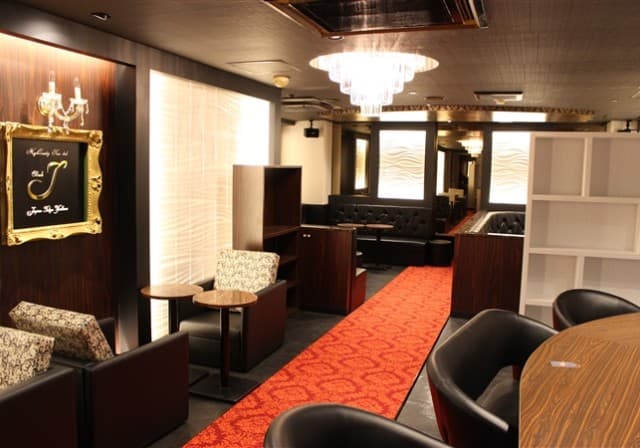
湯島駅、上野広小路駅、上野駅、3つの駅から徒歩圏内と、アクセスが非常に便利なところにあるキャバクラ「上野 Club J」は、ふらっと立ち寄りやすいということから連日大盛況。このお店の特徴を挙げるとすれば、一人で来店するお客を大事にしているという点です。店内にはカウンター席が用意されており、女の子と二人きりでしっぽり楽しめるような工夫が施されています。またフロアは隅々まで清掃が行き届いているので清潔感があり、心休まる空間です。洗練された調度品や通路に敷かれたレッドカーペットが、高級感溢れる大人の社交場をさらに上質なものへと変貌させています。料金は19:00~19:59まで1SET60分5,000円からご利用可能と、大変お得にお試しいただけますよ。またキャストは30人程度が在籍していて、どの女の子も容姿の整った美人ばかり。愛嬌抜群で満面の笑顔で接客してくれる彼女たちに癒やされてください。
お店情報 営業時間 19:00 ~ LAST 所在地 東京都文京区湯島3-45-10 ジェストビル2F アクセス 湯島駅より徒歩2分、上野広小路駅より徒歩4分、上野駅より徒歩7分 TEL 03-5812-4065
1セット料金(60分)
19:00~20:00 5,000円 20:00~Last 8,000円 延長料金(30分) 4,000円
その他・オプション料金等
本指名料 2,000円 場内指名料 2,000円 同伴料 2,000円 税金・サービス料 10%/12%
店内Gallery キャストGallery アクセスマップ 利用者の感想 初キャバクラデビューしました!ここで良かった!絶対また行く。初心者におすすめです!
見るもの全てがスタイリッシュ!上野の高級キャバクラ店(グランクリュ)
“上野エリアでNo.1のキャバクラになる”という目標に向けて日々お店づくりに勤しむ「GRAND CRU(グランクリュ)」。上野御徒町駅から徒歩3分のところで営業している、このエリアを代表する高級キャバクラ店です。スタイリッシュな店内は開放感があり、広々としたメインフロアは隣との席の間隔が十分に確保されているため、ゆったりと過ごせます。またカラオケを歌い放題で使える、完全個室のVIPルームが2部屋。防音対策が施されているので、周りを気にせず思う存分に歌うことができますよ。こちらは接待や大切な方をもてなす場としておすすめです。主役のキャスト陣はというと、高級店の名に恥じぬ美女たちばかりが在籍しています。20代から30代までのルックス・スタイルともに最上級の彼女たちは、話し上手でもあるので盛り上がること間違いなし。極上のひとときをお楽しみいただけます。
お店情報 営業時間 20:00 ~ LAST 所在地 東京都文京区湯島3-38-11 エスパス広小路5F アクセス 上野御徒町駅より徒歩3分 TEL 03-6806-0509
1セット料金(60分)
ALL TIME 11,000円 延長料金(30分) 5,000円
VIP 1セット料金(60分)
ALL TIME 16,000円 延長料金(30分) 7,500円
その他・オプション料金等
本指名料 2,000円 場内指名料 2,000円 税金・サービス料 30%
店内Gallery キャストGallery アクセスマップ 公式SNS
上野駅から好アクセス!仕事帰りの息抜きに最適なキャバクラ(Lucia/ルシア)
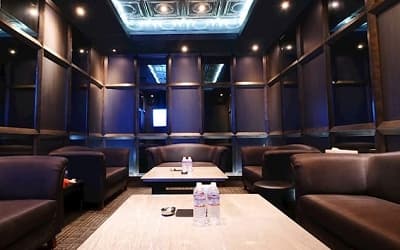
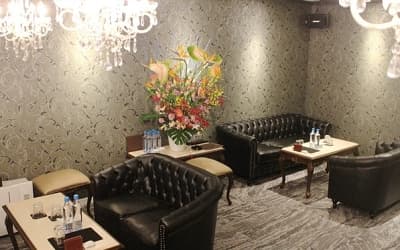
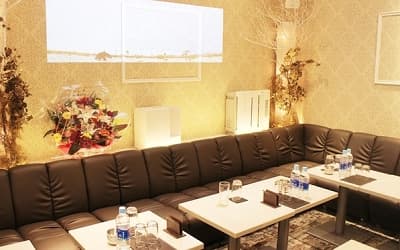
上野駅をはじめ、上野御徒町駅や仲御徒町駅といった上野エリアにある駅から徒歩3分で行けるアクセスの良さが魅力のキャバクラ【ルシア】。店内は華やかな装飾に彩られたラグジュアリーな空間が広がっています。同店に在籍しているキャスト達は、その豪華な内装に負けないハイクオリティな女性ばかり。抜群のプロポーションの持ち主や、グラマーで色っぽい女の子など、個性豊かな美女達があなたを迎え入れてくれます。そして、このキャバクラでは19:00~21:00まで6,000円という、非常にリーズナブルな値段で楽しめることも特徴。上野駅からのアクセスの良さも相まって、会社帰りに気軽に立ち寄りやすいキャバクラです。仕事で失敗してしまった時など、気分転換の場として最適。逆に上手くいった時には自分へのご褒美として利用できるおすすめのお店です。
お店情報 営業時間 19:00 ~ LAST 所在地 東京都台東区上野2-8-4 日栄ビル一番館4F アクセス 上野駅より徒歩3分 TEL 03-5817-8646
1セット料金(60分)
19:00~21:00 6,000円 21:00~Last 8,000円 延長料金(30分) 4,000円
その他・オプション料金等
指名料 2,000円 場内指名料 2,000円 同伴料 3,000円 税金・サービス料 10%/17%
店内Gallery キャストGallery アクセスマップ 公式SNS
利用者の感想 上品な店内。大人ならではの世界観。気に入った。
さすが上野はキャバクラのレベル高いですね。上司を連れて行ったら喜んでました。
激安価格で上野の夜を満喫できるキャバクラ(エゴイスト キュービック)
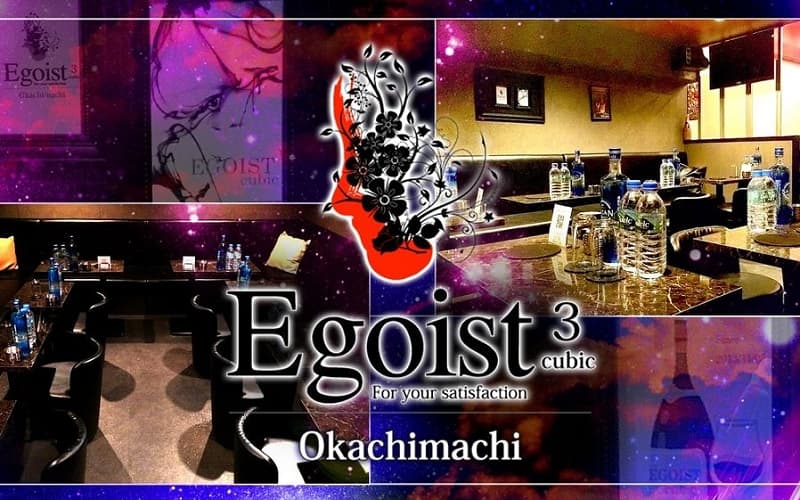
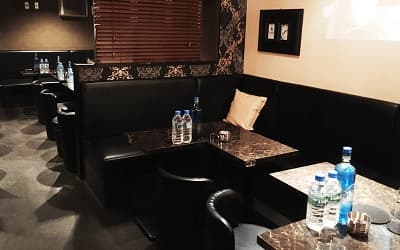
上野エリアにおいて、驚きの価格でキャバクラ遊びができるお店が【Egoist 3 cubic (エゴイスト キュービック)】です。1SET45分で3,300円というお財布に優しすぎる料金設定がこのお店の大きな特徴。仕事帰りや2次会、3次会など、早い時間でも遅めの時間でも同じ料金なのはありがたいですよね。店内はベージュやブラックの色彩で統一された落ち着いた雰囲気。ゆったりとキャスト達との会話を楽しめる空間が広がっています。テーブルを盛り上げる女性達もギャル系、セクシー系、お姉さん系と様々なタイプが在籍。あなた好みの女性とじっくり話すのも良し、違うジャンルの子と話しても良しといったように楽しみ方を変えることもできます。御徒町駅から徒歩1分で行けるため、付近にある上野の観光名所の『アメヤ横丁』や飲み屋街に立ち寄った後に、夜遅くまでエンジョイしたい方にもベストなキャバクラです。
お店情報 営業時間 19:30 ~ LAST 所在地 東京都台東区上野5-27-5 佐原屋ビル2F アクセス 御徒町駅より徒歩1分 TEL 03-5817-4855
1セット料金(45分)
ALL TIME 3,300円 延長料金(45分) 3,300円
その他・オプション料金等
指名料 1,000円 場内指名料 1,000円 同伴料(90分) 10,000円 ※指名料込み(税別) カラオケ(5曲) 1,000円 税金・サービス料 10%
店内Gallery キャストGallery アクセスマップ 利用者の感想 めっちゃお手頃価格!気楽に通えて楽しめます。
アットホームな雰囲気でワイワイ盛り上がれるキャバクラ(Club Lei/レイ)
上野の仲町通りにあるアットホームキャバクラ『club Lei(レイ)』をご紹介いたします。テーブルが約15卓、在籍人数15名程度と決して大きな規模で展開しているとはいえないこのお店。しかし、上野エリアでとても人気のあるキャバクラなんですよ! その秘密は、“女の子とより親密になれる”という一言に尽きます!在籍しているキャストは、20歳から35歳くらいまでの幅広い年齢層の女性たち。若さ溢れる元気な接客でワイワイ騒ぐのも良し!大人のノリでなんでも受け止めてくれるお姉さんに悩み相談 をするも良し!友人・知人との大人数はもちろん、1人でも気軽に入れるフランクなお店です!和のテイストを盛り込んだシンプルな内装は居心地が良く、自然と人が集まってくる空間になっていますよ。仕事帰りや飲み会後の2件目などにぜひご活用ください!
お店情報 営業時間 20:00 ~ LAST 所在地 東京都台東区上野2-10-7 京邦ビル2F アクセス 上野駅より徒歩5分 TEL 03-5817-8838
セット料金
60分 7,000円 延長料金(30分/60分) 3,500円/6,000円
その他・オプション料金等
指名料 3,000円 場内指名料 2,000円 同伴料 3,000円
店内Gallery キャストGallery アクセスマップ 公式SNS
上野の人気店!キャストとの近い距離感を体感せよ!(Club ARROWS/アローズ)
上野エリア屈指の人気を誇る『club ARROWS(アローズ)』は、銀座線「上野広小路駅」から約1分、JR各線「御徒町駅」からは徒歩3分程度 のところで営業中。上野エリアのキャバクラらしいお客とキャストの距離感が近く、気兼ねなくワイワイ騒げるお店です。在籍している女の子たちの年齢層は幅広く、18歳から34歳くらいまで。総勢約30名の個性あふれる子たちが働いていますよ。盛り上げ上手で楽しい時間を過ごせるギャル系やおしとやかで癒やし系キャラの女の子、目のやり場に困るほどのグラマラスボディの持ち主と、実に様々なタイプが在籍中。人気の秘密は、この圧倒的に豊富なラインナップにあります。オープンから20:59までは、1セット60分6,000円と通常時より少しお得な料金でご利用が可能。まずはこちらの時間帯でお試しください。きっと満足していただけるひと時を過ごせることでしょう!
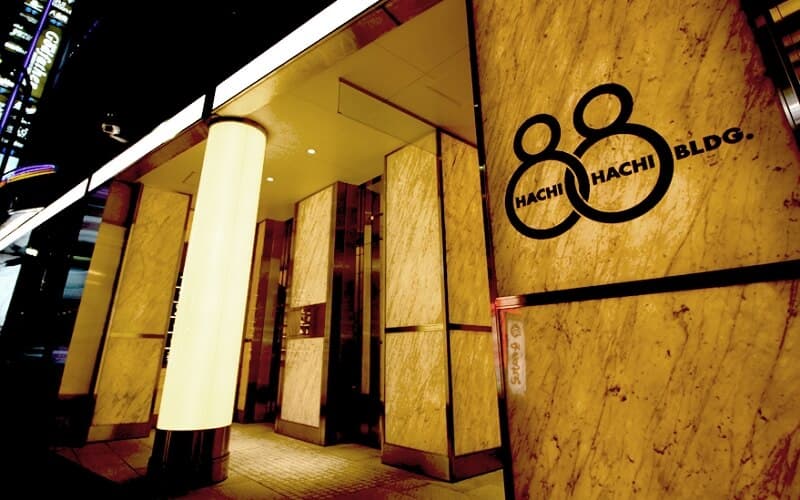
お店情報 営業時間 20:00 ~ LAST 所在地 東京都台東区上野2-1-3 88ビル3階A号 アクセス 上野広小路駅より徒歩1分、御徒町駅より徒歩3分 TEL –
1セット料金(60分)
20:00~20:59 6,000円 21:00~21:59 7,000円 22:00~LAST 8,000円 延長料金(30分/60分) 5,000円/8,000円
その他・オプション料金等
指名料 2,000円 場内指名料 2,000円 同伴料 3,000円 税金・サービス料 20%
店内Gallery キャストGallery アクセスマップ 公式SNS 利用者の感想 かわいい子多め。美人系もいます。全体的にレベル高いですね。
上野で遊ぶならだいたいここですね。いつ行っても安定して楽しい!
エリア最大級の大型店だから、多様なキャストが在籍中!(クイーンズクラブ)
上野エリアトップクラスの大型店『Queen’s Club(クイーンズクラブ)』は、約70名にもなるキャストの豊富な在籍数が魅力のキャバクラ。20代前半から半ばを中心に、妖艶な魅力をまとった綺麗なお姉さん系や甘えん坊でアイドル顔の妹系など、様々なタイプが揃っています。そんなハイクラスのキャストと心地よい時間を過ごせるように、店内もホワイト系をベースとした清潔感のある内装です。席数もテーブル60卓程と潤沢で、フロア面積も広くゆったりと寛げる空間となっています。料金は19:00~20:55までが1set(60分)7,000円とお手頃なお値段になっており、早い時間帯のご利用がお得。大切な方と、よりラグジュアリーな雰囲気で過ごしたい場合は、特別な調度品でまとめられたVIPルームもありますよ。こちらは非日常的な体験を演出してくれるので、大事な接待でお使いいただくのもオススメです!
お店情報 営業時間 19:00 ~ LAST 所在地 東京都台東区上野4-4-4上野広小路2000ビル7F アクセス 上野広小路駅より徒歩1分 TEL 03-3837-0830
1セット料金(60分)
19:00~20:55 7,000円 21:00~LAST 8,000円 延長料金(30分) 3,000円
VIP 1セット料金(90分)
ALL TIME 15,000円 延長料金(30分) 5,000円
その他・オプション料金等
指名料 2,000円 場内指名料 2,000円 延長指名料(30分) 1,000円 同伴料 無料 税金・サービス料 8%/12%
店内Gallery キャストGallery アクセスマップ 利用者の感想 女の子はピュアな感じの子が多かった。素直で親しみのわく感じ。
クイーンズクラブは上野では外せない店ですね。上野で遊ぶなら一度は行くべき!一度じゃすまないけどw
開放的な店内なので、団体で行ってもゆったりできます。
明朗会計で安心!都会にあるシックな大人の隠れ家(EICHI/エイチ)
出典:ナイトスタイル
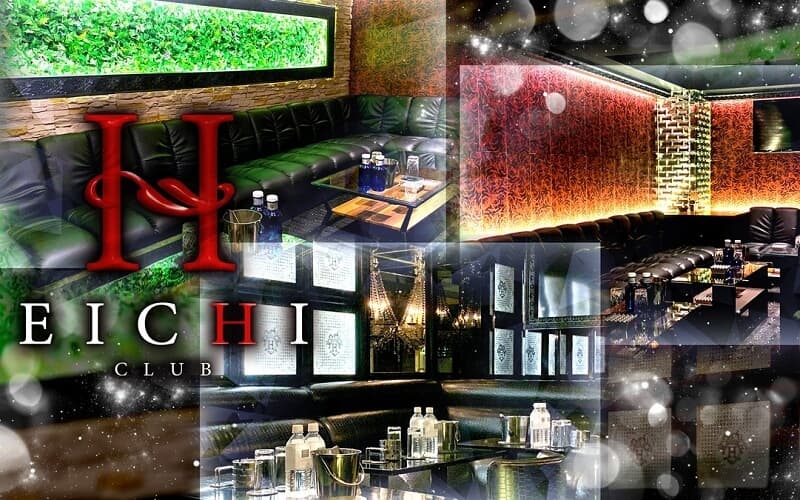
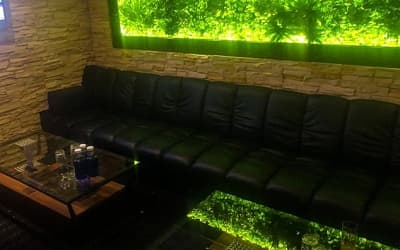
キャバクラ『CLUB EICHI(エイチ)』は、「上野広小路駅」・「御徒町駅」から徒歩で約3分、「仲町通り」沿いにあるビルの4階にあります。繁華街特有の喧騒をバックに、店内へと一歩足を踏み入れれば、落ち着いた大人の隠れ家といった雰囲気を感じられるはず。黒を基調とした豪華な店内は、壁面から柱のデザインにいたるまで、オリジナリティを感じさせるこだわりの内装です。厳選された最高峰のキャストと、夢のような空間でトークに花を咲かせてください。メインフロアの料金は、いつでも1set(60分)8,000円。VIPルームは1set(60分)10,000円と、時間による変動のない、分かりやすい明朗会計となっています。あらかじめ必要な予算を決めて遊びやすいので、キャバクラ玄人だけでなく、初心者の方にもおすすめ!上野エリアでお店選びに迷っている方は、ぜひ一度キャバクラ『CLUB EICHI(エイチ)』を利用してみてはいかがでしょうか。
お店情報 営業時間 20:00~LAST 所在地 東京都台東区上野2丁目9-6 大和ビル4F アクセス 上野広小路駅より徒歩3分、御徒町駅より徒歩3分 TEL 03-3834-8556
1セット料金(60分)
ALL TIME 8,000円 延長料金(30分) 4,000円 税金・サービス料 25%
VIP Luxury Room 1セット料金(60分)
ALL TIME 10,000円 延長料金(30分) 5,000円 税金・サービス料 25%
その他・オプション料金等
指名料 3,000円 場内指名料 3,000円 延長指名料(30分) 1,500円
店内Gallery 出典:ナイトスタイル
キャストGallery 出典:ナイトスタイル
アクセスマップ
最高級の内装と極上の美女に囲まれる癒やしの時間(Lenu/レーヌ)
出典:Lenu
JR各線「上野駅」から徒歩で3分ほど、「不忍池」のすぐ横にある白いビルの2階に、上野の最高級キャバクラ『Lenu(レーヌ)』はあります。首都圏に数十店舗を展開する大手プラザグループの運営なので、蓄積された教育方針による接客マナー、高水準のサービスを体験できる信頼と実績は十分といえるお店です。暖色系の灯りに照らされた店内は、温かみのある木目調の調度品と光沢のある黒をアクセントにした、どこかヴィンテージ感のあるブリティッシュパブのような雰囲気。いつもより、ちょっとダンディな大人の男を演出してくれる空間で、ゆったりと時間を忘れて楽しめますよ。また、在籍するキャストは上野エリアと言わず、都内でも最高クラスの美女揃いです。見目麗しい女性と美味しいお酒、最高級のインテリアに囲まれるキャバクラで、上質な癒やしのひとときをお過ごしください。
お店情報 営業時間 20:00~LAST 所在地 東京都台東区上野2-13-1 萬寿山ビル2F アクセス JR各線上野駅より徒歩3分 TEL 03-3837-3456
1セット料金(90分)
ALL TIME 18,300円 延長料金(30分) 6,100円
その他・オプション料金等
本指名料 3,900円 場内指名料 3,900円 同伴料 無料 税金・サービス料 20%
店内Gallery アクセスマップ 公式SNS 利用者の感想 落ち着いた雰囲気でお洒落な内装のお店。キャストもそれに合わせたかのようにレベルの高い女の子が揃っています。
女の子もボーイさんも接客がとても良い。気持ちよくお酒が飲めます。
上野エリアで絶大な人気を誇るキャバクラ店!(Club FALLON/ファロン)
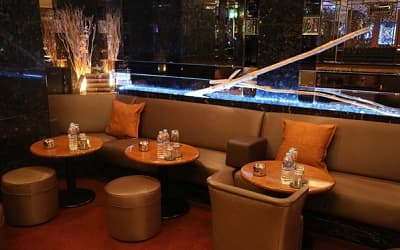
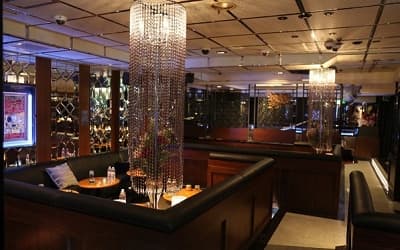
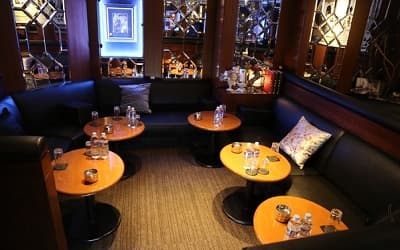
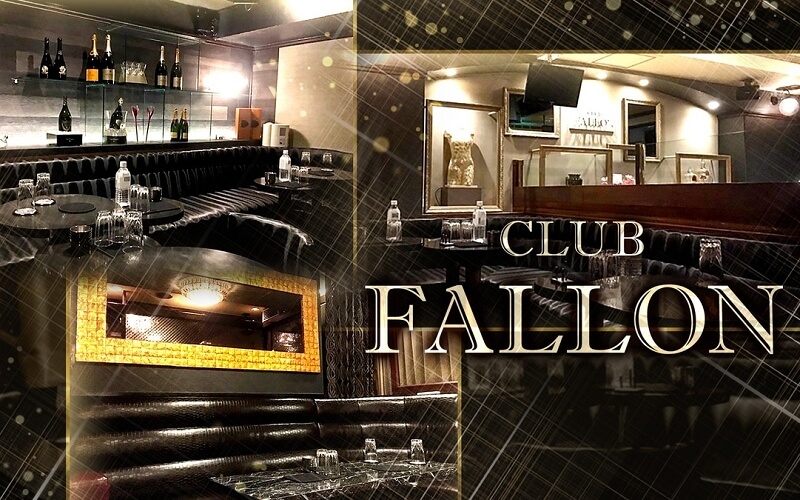
上野エリアで絶大な人気を誇るキャバクラ店『Club FALLON(ファロン)』。店内は落ち着いて過ごすのに最適な雰囲気が演出されていて、日々の疲れを忘れさせてくれるような極上空間になっています。テーブルの間隔もしっかりと確保されているため、プライベートを大事にされる方にはとくにおすすめできるキャバクラ。そして在籍しているキャスト陣は清楚系からギャル系までと幅広く、様々なお客のニーズに応えられるラインナップを実現しています。個性あふれる彼女たちと一緒に和気あいあいと楽しく過ごしてみてはいかがでしょうか。セット料金は60分6,000円からご利用可能。また、VIPルームも完備されているので接待など大事な方をもてなす場としても最適です。上野に立ち寄った際には、ぜひ『Club FALLON(ファロン)』をお試しください。</p
お店情報 営業時間 20:00 ~ LAST 所在地 東京都文京区湯島3-38-15 シャローム湯島B1F アクセス 上野御徒町駅より徒歩2分 TEL 03-6284-2080
1セット料金(60分)
20:00~20:59 6,000円 21:00~21:59 7,000円 22:00~LAST 8,000円 延長料金(30分/60分) 4,000円/8,000円
VIP 1セット料金(60分)
その他・オプション料金等
指名料 2,000円 場内指名料 2,000円 同伴料(60分) 2,000円 税金・サービス料 20%
店内Gallery アクセスマップ
2フロアを広々贅沢に使った大箱キャバクラ店!(AMBITION/アンビション)
長年培ったノウハウを基に上野エリアで絶大な人気を誇るキャバクラ『AMBITION(アンビション)』のご紹介です。「上野駅」「御徒町駅」から徒歩5分程度とアクセス抜群の立地条件。ビルの2階と3階がこちらのお店となっていて、どちらのフロアも開放感のある広々空間でゆったりと寛ぐことができますよ。在籍しているキャスト陣は、清楚系からギャル系までと幅広いラインナップでお届け。きっとあなた好みの女の子が見つかるはずです。まずは指名せずにフリーで入店するのがおすすめ。厳しい審査基準をクリアした彼女たちのハイレベルなルックスと接客をお楽しみください。料金は19:00~20:59まで1SET60分6,000円でご利用可能。VIPルームも完備されているので、大事な方をもてなす場としても最適です。上野に訪れた時には、ぜひ『AMBITION(アンビション)』で至福のひと時をお過ごしください。
お店情報 営業時間 19:00 ~ LAST 所在地 東京都文京区湯島3-40-6 KIMビル2F・3F アクセス 上野駅、御徒町駅より徒歩5分 TEL 03-3836-4388
1セット料金(60分)
19:00~20:59 6,000円 21:00~LAST 8,000円 T.C(30分) 5,000円
VIP ROOM(60分)
All TIME 12,000円 T.C(30分) 6,000円 個室VIPルーム 22,000円
その他・オプション料金等
指名料 2,000円 場内指名料 2,000円 税金・サービス料 20%
店内Gallery キャストGallery アクセスマップ
安心と確かな満足!上野で長く愛される老舗キャバクラ(ゴッドファーザー)
上野の老舗キャバクラ『Godfather(ゴッドファーザー)』は、銀座線「上野広小路駅」や大江戸線「上野御徒町駅」から徒歩で約2分という、非常にアクセスの良い好立地にあります。上野で遊び慣れた方なら、一度は耳にしたことがある、同エリアを代表するほどの名店です。落ち着いた雰囲気の漂う店内は、上野でトップクラスの面積を誇る広々とした空間が魅力。高級感のある黒を基調としたシックな内装で、大人の男がくつろげる、居心地の良さが人気となっています。こちらにはVIPルームもありますので、個人でのご利用だけでなく、接待での利用もおすすめです。また、キャストの傾向は、清楚な美人系からスタイル抜群のモデル系など、厳選して採用された女の子たちの容姿はハイレベル!上野エリアで長年にわたり第一線で活躍してきた、老舗キャバクラによる安心のサービスと、確かな満足感をお楽しみください。
お店情報 営業時間 20:00 ~ LAST 所在地 東京都台東区上野2-1-3 88ビル4F アクセス 上野広小路駅、上野御徒町駅より徒歩2分 TEL 03-3831-0051
1セット料金(60分)
20:00~21:00 6,000円 21:00~LAST 8,000円 延長料金(30分) 5,000円
VIP ROOM(60分)
All TIME 12,000円 延長料金(30分) 6,000円
その他・オプション料金等
本指名料 2,000円 場内指名料 2,000円 税金・サービス料 20%
店内Gallery アクセスマップ
リラックスして過ごせる上野の隠れ家的キャバクラ(カリオストロ)
各線「上野駅」広小路口より徒歩3分程度のところにひっそりと佇む、隠れ家的キャバクラ店『CLUB CARIOSTRO(カリオストロ)』のご紹介です。こちらは元々レストランだったところで営業している一風変わったキャバクラ。店内は、おしゃれなインテリアとシックな装飾が施され、ゆったりと寛げる上質な空間が広がっています。在籍しているキャストたちは、学生さんやOLさん、主婦さんやママさんまで幅広い層が活躍中。その日の気分で好みの女性をチョイスできます。しっかりとした教育制度のおかげでどの子も接客スキルは高く、若者からご年配の方まで、どんな方でも楽しめるところが同店の魅力です。また店内からは上野の夜景が一望でき、いつもとは違った雰囲気で過ごせるのも注目すべきポイント。ココでしか味わえない至福のひと時をあなたも一度体験してみてはいかがでしょうか。20:00~20:59までは1SET60分6,000円でご利用可能です。
お店情報 営業時間 20:00~LAST 所在地 東京都台東区上野2-11-20 6F アクセス 上野駅より徒歩3分 TEL 03-5818-4700
1セット料金(60分)
20:00~20:59 6,000円 21:00~LAST 8,000円 延長料金(30分/60分) 4,000円/7,000円
その他・オプション料金等
指名料 2,000円 場内指名料 2,000円 同伴料(60分) 3,000円 税金・サービス料(現金/カード) 20%/30%
店内Gallery アクセスマップ 利用者の感想 一般的なキャバクラと違って普通っぽい内装だけどそれが逆にいい!店内の雰囲気のためか、気取らずまったりと過ごせる。なかなかいい感じです。
和を感じられる極上空間。洗練された美女がココにはいる!(club/蓮)
上野仲町通りの中心地で多くの方から厚い信頼を獲得しているキャバクラ『club(蓮)』。各線「上野駅」より徒歩5分程度という好立地を活かした、通いやすさ抜群の高級キャバクラです。店内は “和”をモチーフとし、煌びやかでありながら、どこか落ち着いた雰囲気。伝統工芸と現代アートが絶妙にマッチし、日本人なら誰もがホッと一息つける非日常空間を味わうことができます。そんな店内をより明るく感じさせてくれる精鋭キャスト陣はというと、高級キャバクラ店ならではのルックスとサービスをお約束。高い採用基準をクリアした、容姿端麗かつ接客スキルの優れたキャバ嬢ばかりです。いつ訪れても必ず満足していただけるハイクオリティなキャバクラ『club(蓮)』は、きめ細やかなサービスであなたをおもてなししてくれます。
お店情報 営業時間 20:00~LAST 所在地 東京都台東区上野2-12-11 守田宝丹ビル1F アクセス 上野駅より徒歩5分 TEL 03-3834-8568
ビジター(50分)
ALL TIME 8,000円 延長料金(30分) 4,500円 同伴料金(指名/フリー) 20,000円/12,500円 税金・サービス料 10%/20%
ラウンジ(80分)
ALL TIME 15,000円 延長料金(30分) 5,500円 同伴料金(指名/フリー) 22,000円/15,000円 税金・サービス料 10%/20%
VIP(60分)
ALL TIME 15,000円 延長料金(30分) 6,500円 同伴料金(指名/フリー) 29,000円/21,500円 税金・サービス料 10%/25%
その他・オプション料金等
指名料 3,000円 延長指名料(30分) 1,500円 場内指名料 3,000円 場内延長指名料(30分) 1,500円
店内Gallery キャストGallery アクセスマップ
ハイレベルかつハイクオリティ!上野エリアの人気店(フロンティア)
東京メトロ銀座線「上野広小路駅」から徒歩圏内。上野エリア屈指の人気キャバクラ店『Club Frontier(フロンティア)』のご紹介です。隅々まで清掃の行き届いた店内は、いつ訪れても清潔感が保たれていて、調光も明るくゆったりと過ごせる雰囲気。高級なお酒がズラリと並ぶカウンターには席も設けられていて、おひとり様はこちらで楽しむのがおすすめです。まるで高級料亭を思わせる雰囲気は、今まで通っていたキャバクラとは少し異なった印象を抱くかもしれません。居心地が良く、いつまでもいたくなる『Club Frontier(フロンティア)』は、上野でも唯一無二の存在。そして隣でお酌をしてくれる厳選キャスト陣は、どこを見回しても美女ばかりです。キャバクラで欠かせない美しい容姿と高い接客スキル。2つの要素を持ち合わせた一流のキャバ嬢たちがあなたをおもてなししてくれます。お近くに訪れた時には『Club Frontier(フロンティア)』で贅沢なひと時をお過ごしください。
お店情報 営業時間 20:00~LAST 所在地 東京都台東区上野2-6-5 ラヴィサンド白樺ビル2F アクセス 上野広小路駅より徒歩2分 TEL 03-3832-1983
1セット料金(60分)
20:00~20:59 7,000円 21:00~LAST 8,000円 延長料金(30分/60分) 5,000円/8,000円
その他・オプション料金等
指名料 2,000円 場内指名料 2,000円 同伴料 3,000円 税金・サービス料 20%
店内Gallery アクセスマップ
モデル・タレント在籍!贅沢空間で癒やされる♪(R club/アールクラブ)
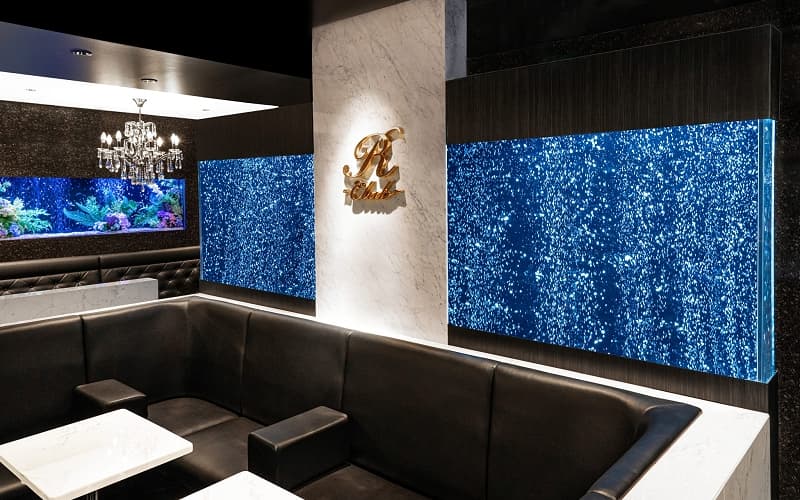
上野で贅沢な時間を楽しむならキャバクラ『R~Club~ (アールクラブ)』。「上野広小路駅」「京成上野駅」より徒歩約5分圏内にあるキャバクラです。同店の注目ポイントは、こだわり抜いたインテリアのセンスが光るラグジュアリーな店内。イタリア製のシャンデリアやアクアリウム、世界的に有名な高級グラスが、煌びやかに輝いています。また、キャストはモデルや事務所に所属しているタレントなど、美貌の持ち主ばかり。様々な分野で活躍している彼女たちは、ひと味違った世界を見せてくれるはず。そんなハイレベルなキャストの笑顔が、さらにゴージャスな非日常へと誘います。営業時間は20:00~LASTで、1SET(60分)6,000円。シックで上品な雰囲気の中、このうえない幸せな時間を体験できますよ。上野トップクラスの『R club(アールクラブ)』で、あなたも忘れられない夜をお過ごしくださいね。
お店情報 営業時間 20:00~LAST 所在地 東京都文京区湯島3-44 湯島目黒ビルB1F アクセス 上野広小路駅、京成上野駅より徒歩5分 TEL 03-6284-4405
メイン 1セット料金(60分)
ALL TIME 6,000円 延長料金(30分) 3,500円
VIP 1セット料金(60分)
All TIME 10,000円 延長料金(30分) 5,000円
その他・オプション料金等
本指名料 3,000円 場内指名料 3,000円 同伴90分料金(メイン/VIP) 13,000円/18,000円 ハウスボトル1セット(60分) 1,000円(1人) 税金 10%
店内Gallery キャストGallery アクセスマップ 公式SNS 利用者の感想 一人で行くことが多いのですが、女子ウケしそうな店内なのでキャバなのにデート気分を味わえます。今ではすっかり一人訪問にハマっちゃってます(笑)

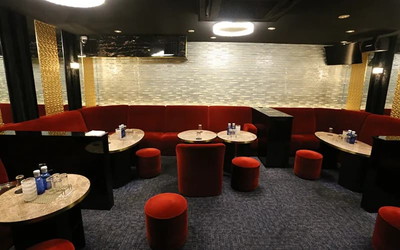
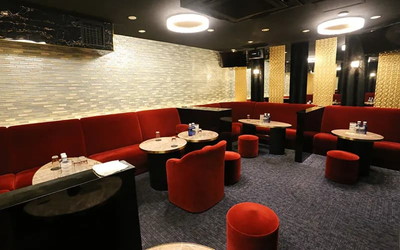
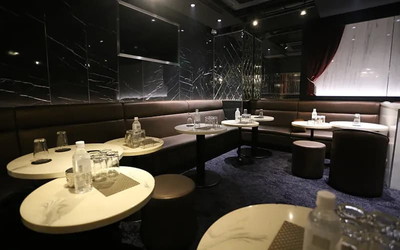
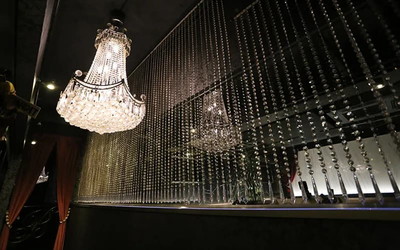
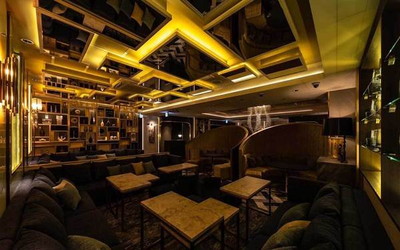
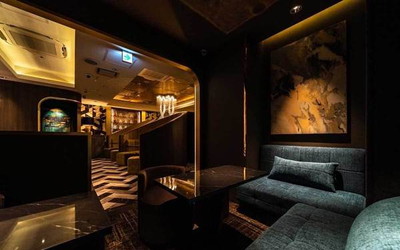
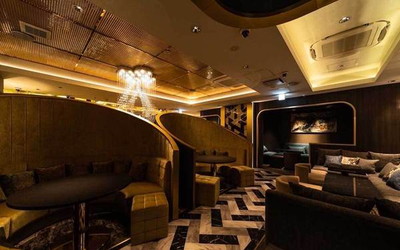

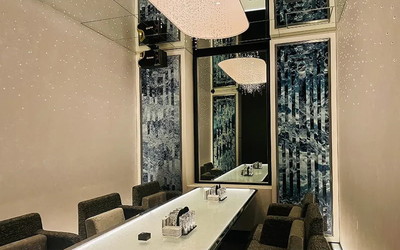
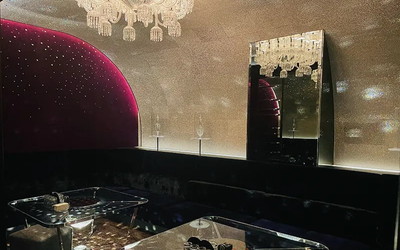
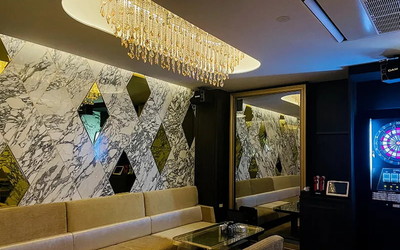
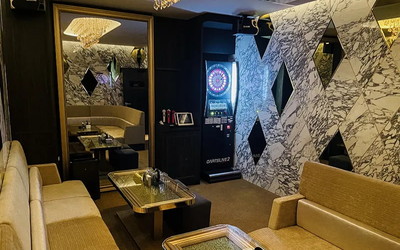
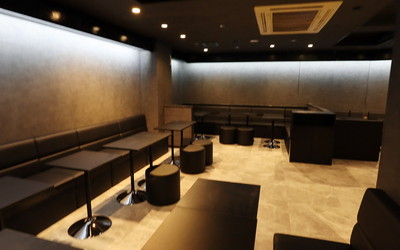
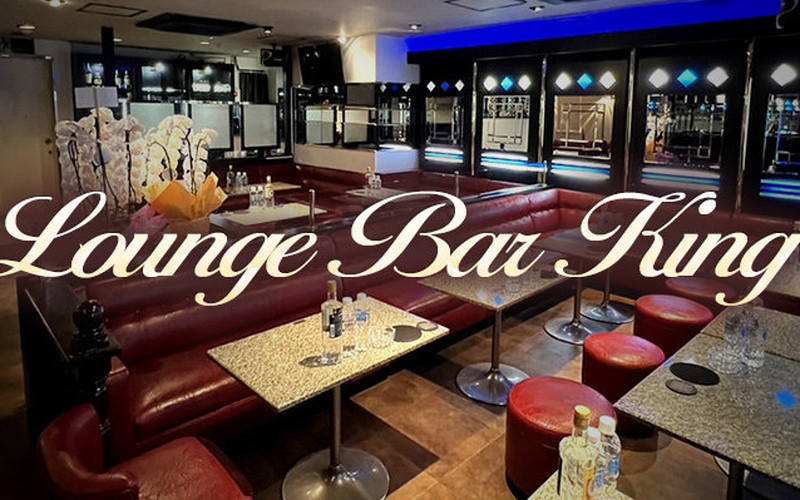
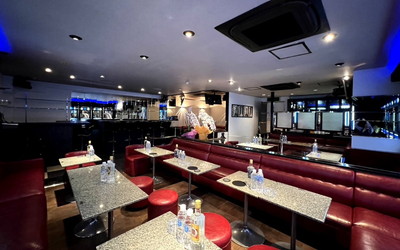
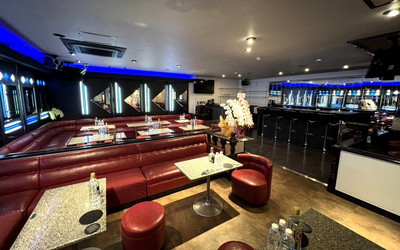
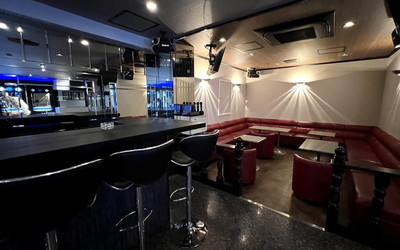
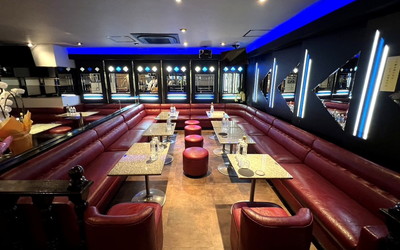
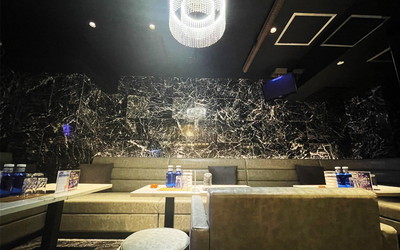
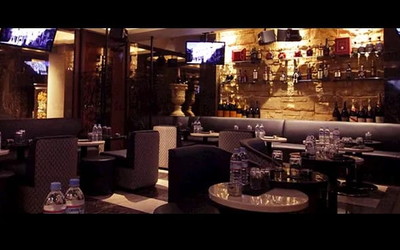
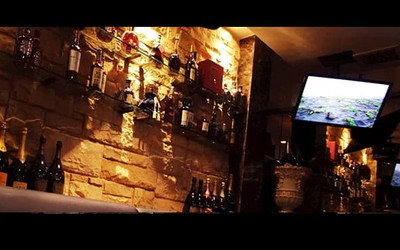
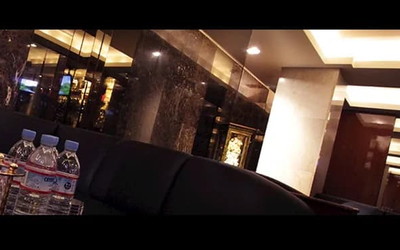
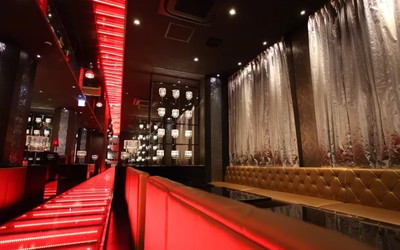
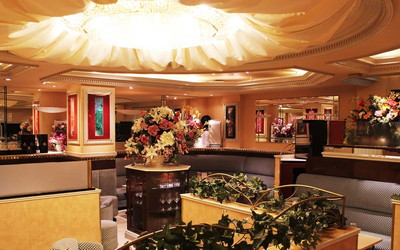
 出典:きゃばきゃば店舗情報料金システム姉系キャスト達が演出する上質なひと時を体験!(Platinum Club CREA/クレア)出典:きゃばきゃば上野エリアで上質なキャバクラ遊びを体験するなら『Platinum Club CREA(クレア)』は外せませんよ!同店は、都道453号沿いのビルに店舗を構える姉キャバで、最寄駅は東京メトロ銀座線「上野広小路駅」となります。店内は、赤を基調としたラグジュアリーな空間が広がっており居心地の良さ抜群。グラスを片手にワンランク上の夜遊びを体験できます。そして、同店では、見目麗しい姉系キャスト達があなたからの指名をお待ちかね。可愛い系、綺麗系、セクシー系など様々なタイプのキャスト陣が揃っており、癒しと刺激を求めるあなたにとってまさに打ってつけ。「年上女性の魅力をトコトン味わってみたい」「エリア屈指の美女達と共に忘れられない夜遊びを味わってみたい」そんなあなたも思わず唸ることでしょう。今夜のキャバクラ遊びは是非同店にてお楽しみください。店内画像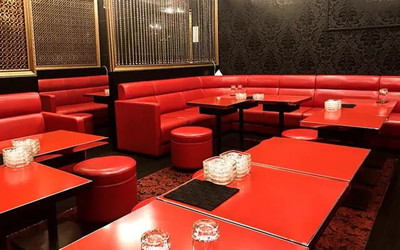
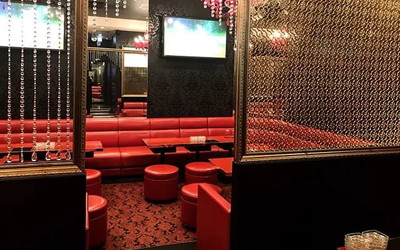
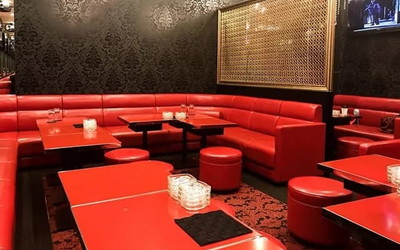
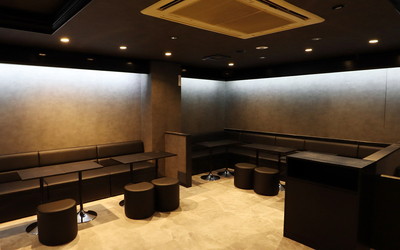
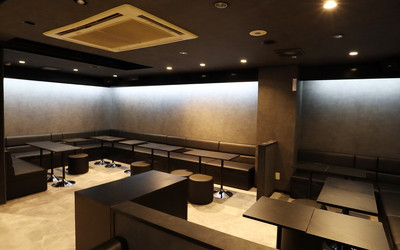
 出典:きゃばきゃば店舗情報料金システム夢のひと時をお手頃価格で堪能できるのが大きな魅力!(R club/アールクラブ)出典:きゃばきゃば上野といえば都内でも有数のキャバクラ激戦区。同エリアにてハイクラスなキャスト陣とリーズナブルに夜遊びを体験するなら『R club(アールクラブ)』がオススメです!同店へのアクセスは東京メトロ千代田線「湯島駅」2番出口より徒歩5分ほど、仲町通り沿いのビルに店舗を構えています。店内は、ブラックとホワイトを基調とした格式高い雰囲気。高級感の感じられる空間の中でワンランク上のひと時を楽しむことができます。そして、同店では様々なタイプのキャスト陣があなたからの指名をお待ちかね。20代後半の美麗な女性を中心に、清楚系、セクシー系、お姉様系、癒し系など、個性豊かなキャスト陣が演出する夜に心を奪われること請け合いです。そんな同店は、オールタイム1SET(60分)6,000円〜の嬉しい価格設定。ぜひ存分に夢のひと時をお楽しみください。店内画像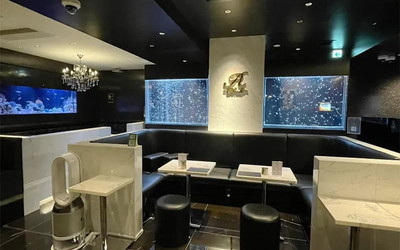
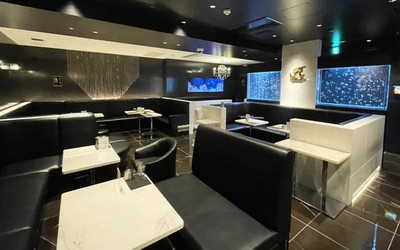
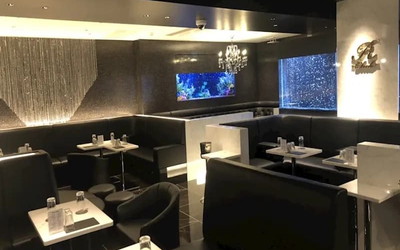
 出典:きゃばきゃば店舗情報料金システム上野のハイクラスキャバクラで過ごす至福の時間!(QUEEN’s CLUB/クイーンズクラブ)キャバクラ激戦区である上野エリアにて極上の夜を過ごしたい方には「QUEEN’s CLUB(クイーンズクラブ)」がオススメです。同店といえば、エリアトップクラスのキャスト陣が演出するハイクラスなひと時が自慢。清楚系、ギャル系、セクシー系、お姉様系と個性豊かなキャスト陣が在籍しており、あなた好みの女性と共に夢の様なひと時を楽しむことができます。また、同店のフロアは、ベージュを基調とした開放感のある雰囲気が特徴的。堅苦しさとは無縁の空間の中で心ゆく迄グラスを傾けることができますよ。そんな同店は、オールタイム1SET(60分)10,000円〜と明朗な価格設定も魅力のひとつ。プライベートはもちろん、ビジネスシーンでも安心して利用することができます。多くの著名人や経営者達も足を運ぶという同店であれば至福の夜を過ごせること請け合いです。店内画像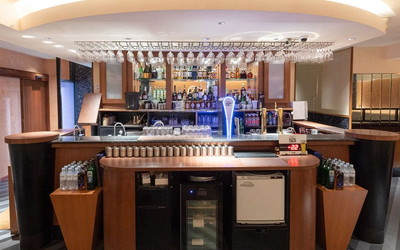
 店舗情報料金システム””””居心地抜群の上野のオアシス的キャバクラ!(Fine Ueno-New Club/ファイン)出典:ナイトスタイル「上野エリアで自分だけのオアシス的キャバクラを見つけたい!」「居心地の良いお店ってどこかないかな?」そんなあなたにオススメするのは「Fine Ueno-New Club(ファイン)」です◎JR山手線「上野駅」から徒歩4分程の立地に店舗を構える同店。店内は、ベージュを基調とした落ち着いた雰囲気。テーブル席はもちろん、バーカウンターでもゆったりとくつろぐことができるアットホームな空間が自慢です。そして、同店でのひと時を盛り上げるのは愛嬌抜群のキャスト陣。ホスピタリティ精神はもちろんのこと、ビジュアルの完成度もエリアトップクラス。一度足を運べばあなたも病み付き必至のひと時を過ごせること請け合いです。そんな同店は、オールタイム1SET(60分)7,000円〜とお手頃な価格設定。プライベートではもちろん、友人、会社の同僚となど、様々なシーンに合わせて安心して足を運べますよ。店内画像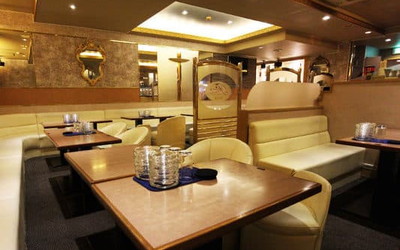
 出典:ナイトスタイル店舗情報料金システム上野でも屈指の質のキャバクラで至福のひと時を体験(TIARA/ティアラ)
 出典:きゃばきゃば上野で厳選キャスト陣と夢の様なひと時を楽しむことができるキャバクラといえば「TIARA(ティアラ)」。今回は、上野エリアで屈指の人気を誇る同店をご紹介します。東京メトロ銀座線「上野広小路駅」から徒歩1分程の立地に店舗を構える同店。扉を開けば、エリアトップクラスの広々としたフロアがあなたをお出迎え。ベージュを基調とした店内にはゆったりとした雰囲気が漂い、都会の喧騒を忘れてリラックスすることができます。そして、同店で活躍するのは、ルックス、サービス力、おもてなしの心、その全てが高品質の実力を誇る美女達。一度このお店で夜遊びを体験すれば思わず病みつきになってしまうかもしれませんよ。そんな同店は、オールタイム1SET(60分)8,000円〜と手の届きやすい価格で利用できるため、キャバクラ初心者の方も安心して遊びに行ってみてください◎店内画像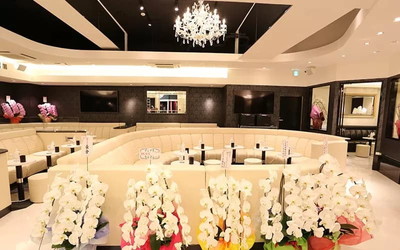
 出典:きゃばきゃば店舗情報在籍キャスト

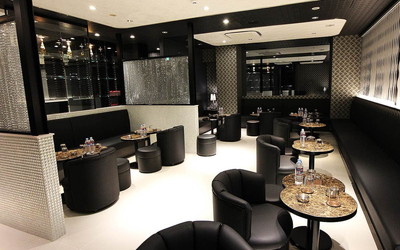
 出典:きゃばきゃば料金システム個性豊かなキャスト陣と共に上野の夜を楽しもう(BOND/ボンド)出典:LuLINE上野御徒町駅から徒歩1分ほどの好アクセスな立地にある上野エリアでキャバクラといえば「BOND(ボンド)」です。店内は、コンパクトながらもスタイリッシュなデザインが施されており窮屈感とは無縁。お気に入りのキャスト達と共に程良い距離感を楽しみながら癒しのひと時を過ごすことができます。そして、同店では、可愛い系、綺麗系、ギャル系、セクシー系など幅広いタイプのキャストが在籍。「落ち着いてお酒を飲ませてくれる女の子が好きなんだけどな…」「ノリ良くワイワイ盛り上がれる女の子と乾杯したい!」など、あなたの要望やシーンに応じて個性豊かなキャスト達が癒しのひと時を演出してくれますよ。そんな同店は、オールタイム1SET(60分)8,000円〜と分かりやすい料金設定な点も注目。明朗会計なので、夜を思いっきり味わいたいキャバクラビギナーさんにもイチオシです。お店情報1set 60分その他店内Gallery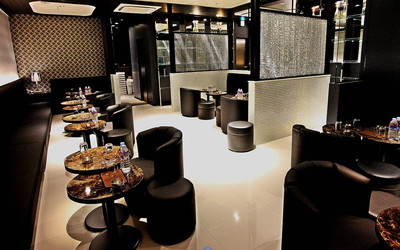
 出典:LuLINEアクセスマップまるで青春時代のような時間を味わえる注目店!(Chou Chou/シュシュ)出典:LuLINE「せっかく飲むなら若くて可愛い子がいいよね!」「青春時代を思い返す様な楽しい夜を過ごしたいな…」そんなあなたの願望を満たすキャバクラといえば上野「Chou Chou(シュシュ)」です◎コチラのお店の特徴は、何といっても厳選されたキャスト陣。フレッシュな子に絞って女の子を採用しており、白のブラウスと黒のスカート姿のキャスト達で盛り上がるフロアはまるで大学キャンパス。ホワイトを基調とした店内でワイワイとした甘酸っぱいひと時を過ごすことができますよ!そんな同店を利用するのであれば、OPEN〜18:55までの時間帯がオススメ。リーズナブルな料金でお得に遊ぶことができるので、初めて同店を利用する際にピッタリです。JR「上野駅」から徒歩2分程でアクセスできるため、是非一度こちらのお店に遊びに行ってみてくださいね!お店情報1set 40分【VIP】1set 40分その他店内Gallery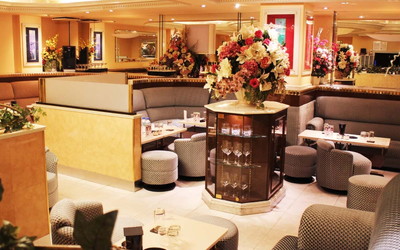
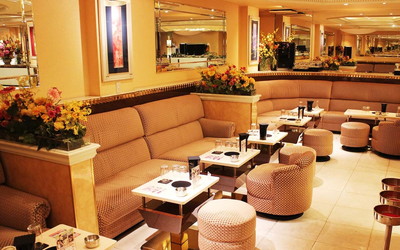
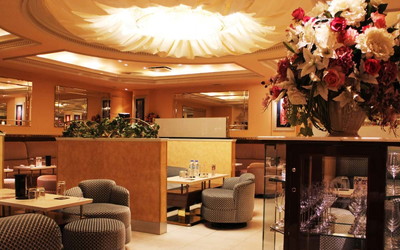 出典:LuLINEキャストGallery
 出典:LuLINEアクセスマップラグジュアリーな雰囲気を味わえる極上空間を楽しもう!(美人茶屋/ビジンチャヤ)
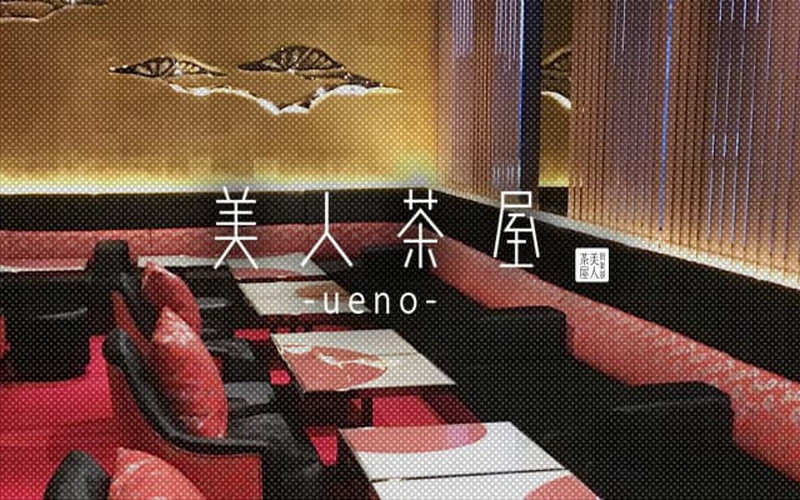 出典:LuLINE上野エリアで間違いのない夜を過ごすのであれば「美人茶屋」がオススメ。同店は、他の追随を許さない圧倒的なクオリティが自慢の高級キャバクラです。店内には、同エリア最大級となる2フロアの和テイストの空間と、趣向の違うラグジュアリーな5つの個室をデザイン。豪華絢爛なフロアでグラスを傾ければワンランク上のひと時を楽しむことができますよ。そして、あなたをおもてなしするのは、選び抜かれた美女軍団。ルックスの良さはもちろんのこと、接客力、サービス力と三拍子揃った自慢のキャスト達が演出するひと時にあなたもグッと心を掴まれること請け合いです。そんな同店へ初めて遊びに行くのであれば19:00〜20:59までの早い時間帯がおすすめ。1SET(60分)7,700円〜で利用できるため、リーズナブルに同店の魅力を体験することができますよ。お店情報メイン:セット料金 (60分) [税込]セミVIP:セット料金 (60分) [税込]ロイヤルVIP:セット料金 (60分) [税込]ロイヤルスウィート:セット料金 (60分) [税込]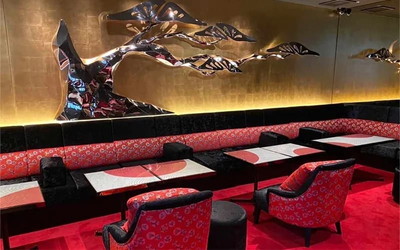
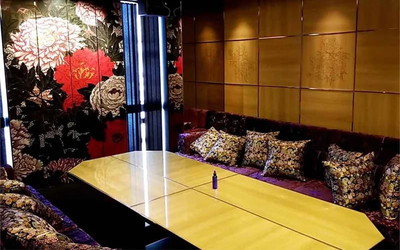
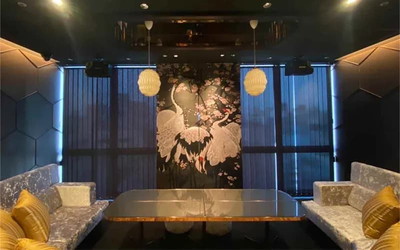
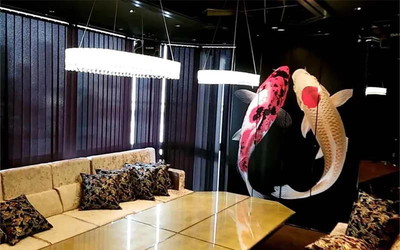 出典:きゃばきゃばキャストGallery

 出典:きゃばきゃばアクセスマップ臨場感満点!圧巻のショータイムは必見です! (Cotton Club/コットンクラブ)
 出典:LuLINE日常では味わうことができない最上級のおもてなしをコンセプトに、上野エリアの夜を牽引する人気キャバクラが「Cotton Club(コットンクラブ)」です。大江戸線「上野御徒町駅」から徒歩4分程、仲町通りに店舗を構える同店。店内は、ゴールドとブラックを基調とした煌びやかなフロアが広がっており、窮屈感とは無縁。グラスを片手にゆったりと羽を伸ばすことができます。そして、同店の魅力といえば何といっても美人キャスト達が演出するショータイム。「体感型ショークラブ」として、お気に入りのキャスト達があなたの眼前で華やかなひと時を演出。鼓動、熱、息遣いの全てがリアルに感じられる夢の舞台にあなたの心も大いにグッとくること間違いなし。21:00〜LASTまで1SET(60分)8,800円〜とリーズナブルなこともあり、心ゆく迄贅沢なの夜に酔いしれることができますよ。お店情報初回料金SET料金その他店内Gallery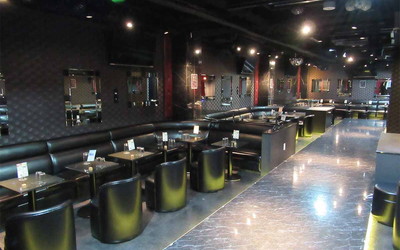
 出典:LuLINEキャストGallery

 出典:LuLINEアクセスマップキャバクラ激戦区でも注目のお店は魅力が盛り沢山!(CLUB BANDIT/バンディット)
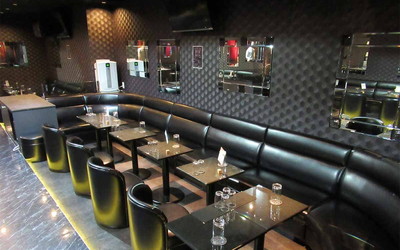
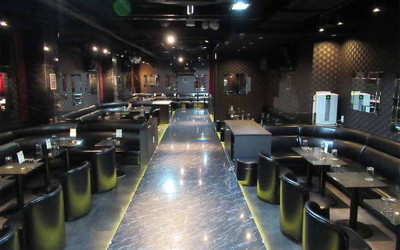
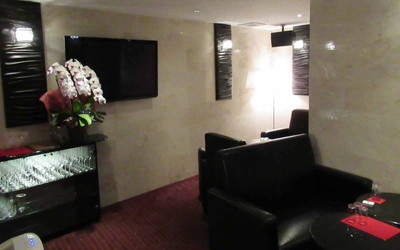
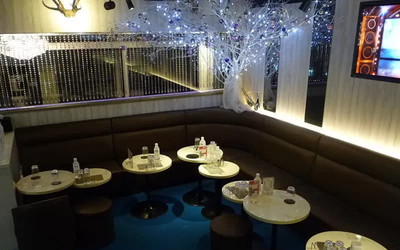
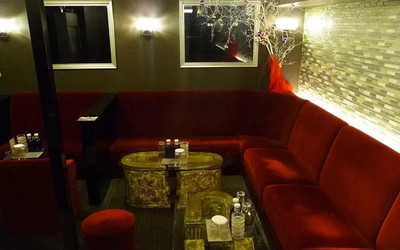
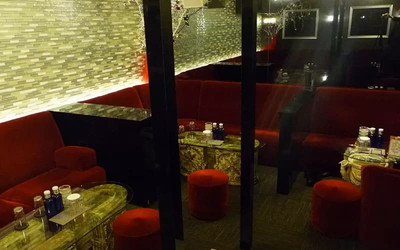
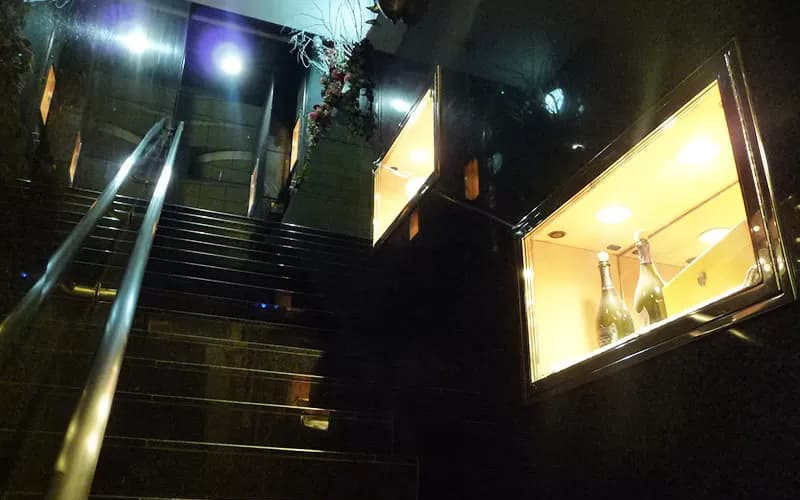 出典:きゃばきゃばキャバクラ激戦区である上野エリアでも必見のお店「CLUB BANDIT(バンディット)」。今回は、多くの注目ポイントを備えた同店の魅力のご紹介です。JR山手線上野駅から徒歩10分程、御徒町駅からは徒歩3分程の好立地に店舗を構える同店。店内は、高級ホテルのラウンジやカジノを彷彿とさせる様なエレガントな雰囲気。高級感漂うフロアの中、ワンランク上の刺激的なひと時を楽しむことができます。そして、非日常的なひと時を演出するのは、同店自慢のキャスト陣。落ち着きや妖艶な魅力を兼ね備えた大人のお姉様から若くてオシャレな今時のギャルまで多種多様な女の子が在籍しているため、あなた好みのキャストと共に甘い夜を過ごせること請け合いです。そんな同店は、リーズナブルな価格で利用できる点も魅力のひとつ。20:00〜20:59までの早い時間帯であれば1SET(60分)6,000円〜とローコストで楽しむことができますよ。お店情報メイン(メンバー) (60分) [税・サ別]メイン(ビジター) (60分) [税・サ別]V.I.P&エグゼクティブ (60分) [税・サ別]その他店内Gallery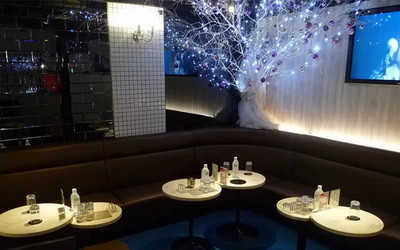
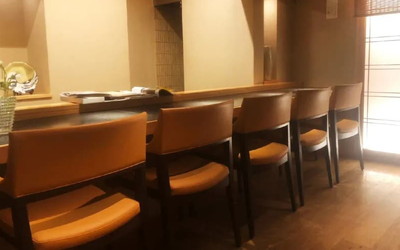
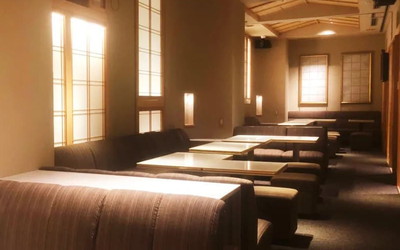
 出典:きゃばきゃばアクセスマップ極上のひと時を上野で体験するならこちら!(CLUB 六華/ロッカ)出典:きゃばきゃばキャバクラ激戦区上野エリアでのお店選びに悩まれているあなたにご紹介したいのが「CLUB 六華(ロッカ)」です。店内は、ドラマの高級クラブをイメージさせる洗練された和の雰囲気。プライベートでしっぽりと飲みたい時、大切な接待やビジネスなど、様々なシーンに合わせて利用することができますよ。また、同店に在籍するのは、20〜30代前半の落ち着いた雰囲気のキャスト陣。妖艶な色気が漂うお姉様系、知的なオーラが魅力的なOL系など、ルックスの良さに加えて抜群の接客力の持ち主達。キャバクラに初めて足を運ぶという方でも満足のゆく大人のひと時を過ごすことができます。そんな同店は、19:00〜20:59までの早い時間帯の入店であれば1SET(60分)6,000円〜のロープライスで遊ぶことができますよ。上野に足を運んだ際には是非同店でのひと時を体験してくださいね。お店情報メイン (60分)店内Gallery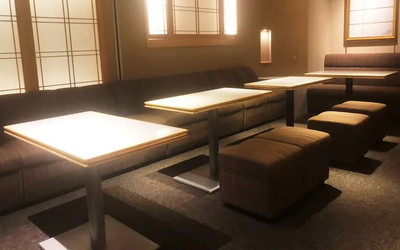
 出典:きゃばきゃばアクセスマップ公式SNS